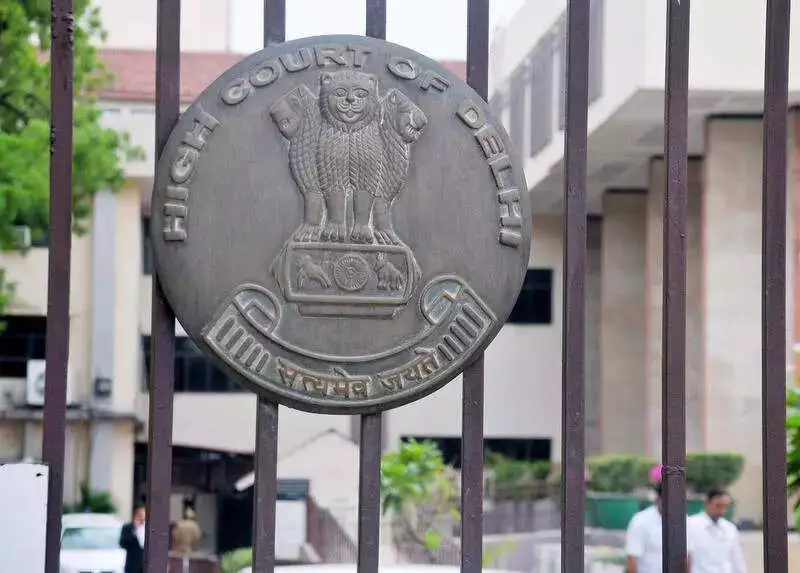
The Delhi High Court has intervened in a significant case concerning the alleged illegal conversion of a public park into a commercial event space in the capital. The court has directed the Delhi government, the Delhi Development Authority (DDA), the Municipal Corporation of Delhi (MCD), and the Nizamuddin West Association to submit their official positions within a strict timeframe of four weeks.
An 85-Year-Old's Fight for Green Space
This judicial action comes in response to a writ petition filed by an 85-year-old local resident, Shiraz Parveen. The senior citizen has approached the court, opposing the alleged transformation of a park adjacent to the Nizamuddin West Community Centre into a venue for weddings, parties, and other commercial functions. Justice Mini Pushkarna is presiding over the case.
In her plea, Parveen invoked the fundamental right to life and the established Supreme Court jurisprudence on the right to a healthy environment. She argued that despite her repeated complaints to various authorities, no concrete action was taken to stop the commercial activities, leaving her with no alternative but to seek judicial intervention.

Health and Environmental Nuisance Alleged
The petition paints a distressing picture of the consequences of these alleged activities on local residents. Parveen, who suffers from serious health conditions including high blood pressure, renal impairment, hyperthyroidism, and cardiac problems, contended that her fragile medical state is severely aggravated by the regular late-night events.
She detailed a litany of issues caused by the commercial use of the park:
- Persistent loud music and firecrackers disrupting peace.
- Illegal parking causing congestion and inconvenience.
- Indiscriminate dumping of waste.
- Unauthorized construction within the park premises.
These factors, she submitted, have collectively created an environmental nuisance and caused severe health issues for her and her family.
Violation of Planning Norms and Layout Plan
The petition makes a strong legal argument based on official planning documents. It cites the DDA's layout plan for the locality, which clearly designates one specific pocket for a community hall. The site in question, however, is specifically marked as a public park.
Parveen alleged that the Nizamuddin West Association has not only encroached upon this public park but has also concretised parts of the green area. The association is then commercially exploiting it by renting it out for private functions. This, the plea asserts, constitutes a clear violation of statutory planning norms, municipal laws, and environmental regulations.
The court has been urged to issue urgent directions to immediately stop the alleged illegal use of the park and to restore it to its original character for the benefit of all residents and the wider community. The case highlights the ongoing struggle in urban India to preserve essential public green spaces against commercial encroachment.