A Legal Setback Reopens an Old Wound
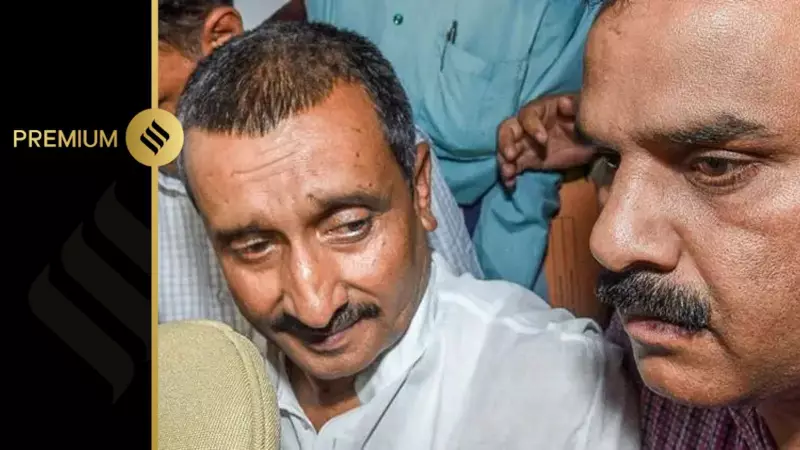
As 2025 nears its end, a controversial court decision has brought a harrowing chapter of India's fight for justice back into the spotlight. On December 23, 2025, the Delhi High Court suspended the life sentence of former BJP MLA Kuldeep Singh Sengar, convicted for the 2017 rape of a minor in Unnao, Uttar Pradesh. The court based its decision on a strict interpretation that Sengar was not a "public servant" under the Indian Penal Code, thus ruling the stringent provisions of the POCSO Act inapplicable.
This technical reading has sparked widespread concern, as it appears to clash with the protective spirit of laws designed to shield society's most vulnerable. The Central Bureau of Investigation (CBI) has swiftly moved the Supreme Court seeking a stay on this suspension. However, the optics of the ruling have painfully resurrected memories of the immense struggles faced by the survivor and her family during their pursuit of justice.
A Pattern of Power vs. Perseverance
The Unnao case was never a straightforward legal battle. It was a saga where political influence repeatedly threatened to derail due process. The police initially refused to name the four-time MLA in the First Information Report (FIR). It was only after the survivor threatened to immolate herself outside the Uttar Pradesh Chief Minister's residence that national attention forced action.

The family faced relentless persecution: the survivor's father was assaulted, a fabricated case was lodged against him, and he later died in police custody. The quest for justice exacted a devastating personal toll, including a car crash in 2019 that killed the survivor's two aunts and critically injured her and her lawyer. This tragedy prompted the Supreme Court to transfer the case from Allahabad to a Delhi trial court, where Sengar was finally convicted and sentenced to life imprisonment later that year.
Disturbingly, the Unnao verdict is not an isolated incident in 2025. Earlier in December, a Kerala court acquitted actor Dileep, a powerful figure in the Malayalam film industry, in the 2017 abduction and sexual assault case of a colleague, convicting only the other accused. The survivor, after an eight-year fight, poignantly stated that the outcome revealed not all citizens are treated equally before the law.
Another tragic case emerged from Balasore, Odisha, where a college student died by suicide after setting herself on fire. Her desperate act came after the institution failed to act on her repeated sexual harassment complaints against a professor, despite her following all prescribed protocols, including approaching the POSH committee and the police.
The Flickering Light of Stubborn Hope
Despite these daunting setbacks, the narrative is also one of unyielding courage and incremental change. Both the Unnao survivor and the Kerala actress have vowed to continue their legal fights. Their resilience forms part of a broader arc of change ignited by the December 2012 Delhi gangrape, which shattered the silence around sexual violence.
The #MeToo movement of 2018 further empowered women to vocalize long-suppressed experiences. In Kerala, female actors, disillusioned by the inaction of the powerful Association of Malayalam Movie Artists (AMMA), formed the Women in Cinema Collective (WCC). Their advocacy led the state government to form the Justice Hema Committee, whose landmark report documented systemic exploitation and abuse, forcing a long-overdue institutional reckoning.
While accountability remains a work in progress, the cracks in old structures are visible. For the first time, AMMA is now led by women. The Hema Committee report has empowered more women within the industry to speak out, potentially breaking a longstanding code of silence. Each survivor who refuses to be silenced, and every young woman who learns her anger has legitimacy, writes a new chapter in this story of hope.

The road to justice remains long and fraught with obstacles, deeply affected by the inequalities of money, fame, and power. Yet, the persistent demand for accountability, however delayed, carries the enduring promise that the fight itself is a transformative force. As one year closes and another begins, these battles underscore a critical national conversation about the true meaning of justice and equality under the law.