Who Saves You When You're Drowning? Delhi-NCR's Fragmented Rescue System Under Scrutiny
The tragic death of 27-year-old software professional Yuvraj Mehta, who drowned in a water-filled excavation pit in Noida's Sector 150 despite calling for help for over 90 minutes, has exposed critical deficiencies in how authorities across the National Capital Region respond to drowning emergencies. This incident has raised urgent questions about standardized protocols, trained personnel availability, and coordinated rescue mechanisms in one of India's most populous urban agglomerations.
The Fateful Night That Highlighted Systemic Failures
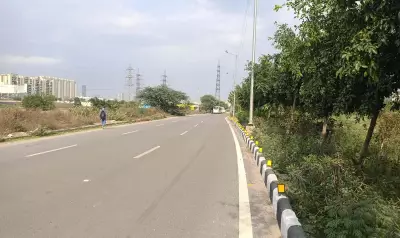
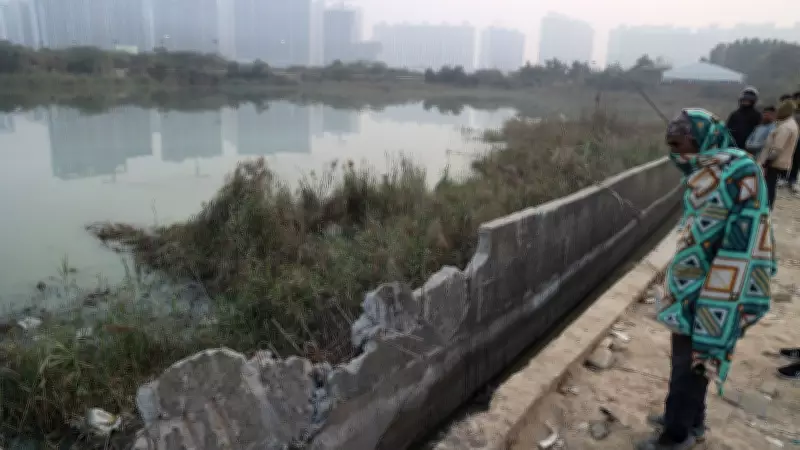
On the night of January 16, 2026, Yuvraj Mehta was returning home from his workplace in Gurgaon when dense fog conditions caused his vehicle to veer off the road into a deep, waterlogged construction pit. The young professional stood atop his sinking car for more than an hour, desperately calling for assistance. Despite police, National Disaster Response Force, and State Disaster Response Force personnel reaching the location, they were unable to prevent Mehta from drowning alongside his vehicle. This heartbreaking incident has prompted serious examination of drowning response capabilities across Delhi, Noida, Gurgaon, and Ghaziabad.
Delhi's Ad Hoc Approach: No Fixed Protocols, Dependence on Local Divers
According to senior Delhi Police officers, the capital city lacks any codified standard operating procedure specifically designed for drowning emergencies. The typical response involves local police arriving first, followed by fire services. In the absence of formally trained divers, authorities frequently depend on local swimmers or divers known to beat officers. These individuals, often referred to as 'gotha khoros', usually retrieve coins from water bodies during religious ceremonies.

For major drowning incidents, the Delhi government relies on the Boat Club at Civil Lines, which maintains:
- Fifteen trained divers
- Four motorboats
- Three paddle boats
Harish Kumar, in-charge of the Boat Club, revealed that 61 lives were saved in 2025 through their efforts. While acknowledging discussions about modern equipment, Kumar emphasized that traditional diving methods remain most effective for immediate rescue operations.
Noida and Ghaziabad: SHOs Bear Primary Responsibility
In Noida and Ghaziabad, all emergency situations including drowning are reported through the unified '112' emergency helpline. A senior police officer explained that drowning responses follow the same standard operating procedure as other emergencies. After receiving a distress call, a Police Response Vehicle with four personnel equipped with first-aid kits and body covers is dispatched to the location.
Once on site, information is relayed to the control room, which alerts officials from local police posts and senior officers. Primary responsibility for arranging divers and coordinating rescue operations falls upon the Station House Officer of the concerned area.
Ghaziabad DCP (Trans-Hindon) Dasarath Nimish Patil clarified that in drowning cases, fire services receive initial alerts, followed by SDRF and NDRF teams. However, the absence of uniform protocols and inadequate deployment of trained divers was starkly highlighted during the death of Ghaziabad Traffic Police constable Ankit Tomar in May 2025. Tomar drowned in the Hindon Canal while attempting to save a woman, despite reportedly not knowing how to swim, and was transported to a private hospital in an autorickshaw where he was declared dead.
Gurgaon's Relatively Coordinated System
Gurgaon presents a somewhat more organized approach to drowning rescues through coordinated efforts among police, fire services, civil defence, and SDRF units. Civil Defence Chief Warden Mohit Sharma highlighted the district's integrated response system linked to the '112' emergency helpline, with multiple diving resources available:

- Gurgaon Police maintains one deep diver
- Fire department has seven to eight specialized divers
- SDRF unit stationed at Bhondsi has at least six deep divers serving multiple districts
Sharma explained that rescue calls typically reach police first, who then coordinate with other departments. Station house officers maintain inventories of necessary rescue equipment, while civil defence and SDRF teams are deployed for serious situations or remote area incidents. A quick response team of approximately 100 SDRF personnel remains available for general rescue operations.
Gurgaon Fire Safety Officer Jai Narayan confirmed that all firefighters undergo swimming and rescue training, enabling operations in various water bodies including canals and wells. During extreme situations, authorities also rely on trained volunteers from the sports nursery at Damdama Lake near Sohna and retired Navy personnel.
The Urgent Need for Standardized Protocols
The stark contrast in drowning response mechanisms across Delhi-NCR cities reveals a fragmented emergency management system. While Gurgaon demonstrates better coordination and resource allocation, Delhi's reliance on informal networks and Noida/Ghaziabad's dependence on individual SHOs highlight systemic vulnerabilities. The tragic death of Yuvraj Mehta underscores the urgent need for:
- Uniform standard operating procedures across NCR
- Increased deployment of trained divers with modern equipment
- Better inter-agency coordination mechanisms
- Regular training and simulation exercises
- Public awareness about emergency response capabilities
As urban expansion continues across the National Capital Region, with increasing construction sites and water bodies, establishing a robust, standardized drowning rescue system has become an imperative public safety requirement rather than an administrative luxury.