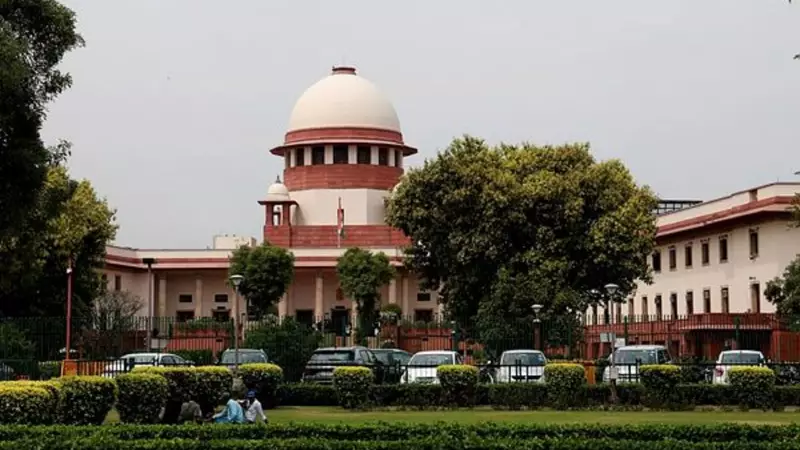
The Supreme Court's decision to grant bail to five individuals accused in a prominent 2020 Delhi riots case has brought a wave of complex emotions to their families. While there is palpable relief at the prospect of reunion, the joy is tempered by the continued incarceration of co-accused and the heavy toll of years lost behind bars.
A Long-Awaited Homecoming Amid Lingering Sorrow
For the families of Shifa Ur Rehman, Saleem Khan, Meeran Haider, and Gulfisha Fatima, Monday brought a bittersweet verdict. Their phones buzzed incessantly with congratulatory calls, yet their hearts were heavy thinking of Umar Khalid and Sharjeel Imam, whose bail pleas were denied. The shadow of lost years—of education, careers, and simple family life—loomed large over the moment of relief.
In Jafrabad, Gulfisha Fatima's mother was overwhelmed with the thought of her daughter's return. "I am so happy that Gul is coming home that I’ve forgotten all our sorrows," she said. Gulfisha, the sole woman among the 18 accused in this case, had spent over five years in jail.

At the Jamia Nagar residence of Shifa Ur Rehman, his wife Nooreen Fatima and their two sons shared the excitement, but not without guilt. "There is some guilt at the back of our minds because Umar and Sharjeel are not out. Our happiness is not complete today," Nooreen admitted, highlighting the solidarity among the accused families. She poignantly recalled the precious three-minute phone calls she would receive from jail, which she would record and listen to on repeat, a small lifeline during a long separation.
Lost Years and an Uncertain Future
The personal costs of the prolonged legal battle are immense. Nooreen's sons were in classes 2 and 5 when their father was arrested in 2020; the elder now faces his Class 10 board exams. For 35-year-old Meeran Haider, who was pursuing a PhD at the time of his arrest, prison became an unlikely library. "Books were his only solace. He lost so many years," his sister lamented. The family was prepared with the bail bond, eager to avoid any delay in his release.
For Saleem Khan's daughter Saima, who has led her father's legal fight for five years, the feeling is one of cautious happiness. "This case has taken away everything from my father... Even now, he’s only got bail, not an acquittal. We still have a long way to go," she stated, underscoring that the legal ordeal is far from over. The case ravaged not just their personal lives but also their social fabric and business.
The Social Stigma and a Newfound Family
Saima spoke candidly about the isolation the family faced, as friends distanced themselves, likely fearing association. "I think they were scared that if they were seen with us, they would also be picked up by police and branded terrorists," she reflected. However, this alienation forged a powerful bond among the families of the accused. "Everyone whose family member went to jail came together for one another. A different kind of family emerged," Saima said with a smile, pointing to the unexpected solidarity born from shared hardship.
The Supreme Court's bail order came with 11 stringent conditions, a reminder of the serious nature of the charges under laws like the UAPA. For these families, the battle now shifts from securing freedom to fighting for complete exoneration, a journey they know will demand further resilience and time.