ED Steps In to Probe Haryana's Rs 590 Crore Bank Scam as ACB Intensifies Efforts
In a significant development, the Directorate of Enforcement (ED) has officially entered the investigation into the massive Rs 590 crore bank scam involving Haryana government departments. This move comes as the Haryana Vigilance and Anti-Corruption Bureau (ACB) ramps up its efforts to identify and apprehend the offenders responsible for the financial fraud.
The Chandigarh zonal office of the federal agency, which specializes in probing the proceeds of crime, has formally requisitioned a copy of the First Information Report (FIR) and related communications from the chief secretary's office regarding the case registration. Additionally, the ED has sought updates on the confession statements of the accused individuals who have been arrested by the ACB so far.
Arrests and Key Details in the Ongoing Investigation
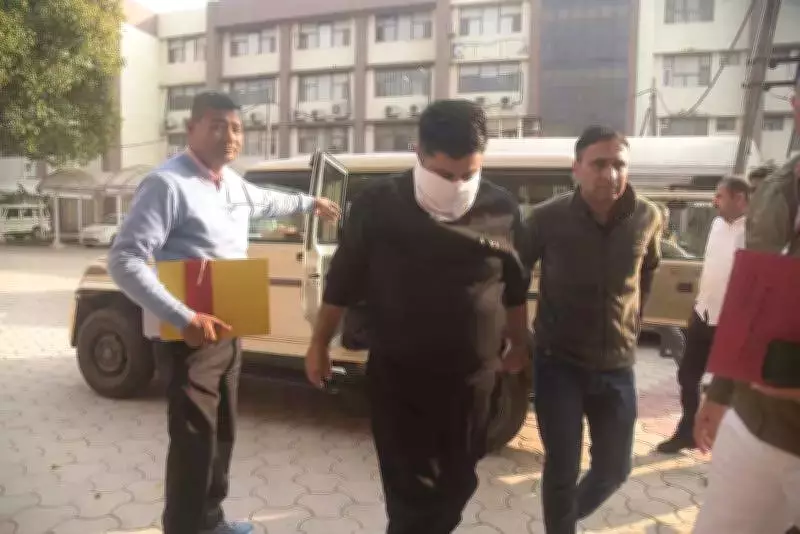
As of now, the ACB has made five arrests in connection with this high-profile case. The accused include Rishabh Rishi, a former employee of AU Small Finance Bank; his associate Abhay; Abhay's wife Swati Singla; and her brother Abhishek Singla. The case is registered at the ACB's police station in Sector 17, Panchkula.

The most recent arrest is that of Naresh Kumar Bhuwani, the superintendent of the development and panchayats department. He was taken into custody for allegedly receiving kickbacks exceeding Rs 1 crore, which were provided in the form of luxury cars and other investments.
Legal Basis and Scope of the ED's Involvement
A senior official closely associated with the development explained the legal rationale behind the ED's intervention. "Under the Prevention of Money Laundering Act (PMLA), the ED possesses suo moto powers to initiate investigations into the proceeds of crime and trace the complete money trail for amounts over Rs 1 crore. Given that the total amount involved in this scam surpasses Rs 580 crore, it clearly warrants a comprehensive investigation," the official stated.
Enquiries conducted during the investigation have revealed that both the ED and the ACB are in the process of finalizing the identities of the main beneficiaries. These include owners of jewellery shops, individuals operating in the bullion market of Chandigarh, and a few local builders. This collaborative effort aims to uncover the full extent of the financial network behind the scam.
Historical Context and Broader Implications
Notably, this case marks the fourth instance in recent times where the ED and state agencies are conducting simultaneous probes. This pattern underscores the increasing coordination between federal and state authorities in tackling large-scale financial crimes, particularly those involving government departments.
The intensified investigations by both agencies highlight the seriousness of the Rs 590 crore bank scam, which has raised concerns about financial oversight and corruption within Haryana's administrative framework. As the probe progresses, further arrests and revelations are anticipated, potentially shedding light on broader systemic issues.