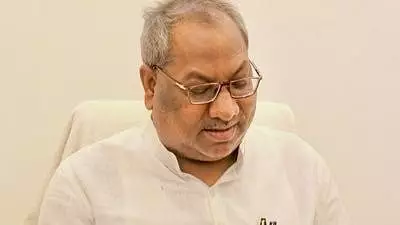
Enforcement Directorate Intensifies Sabarimala Gold Loss Probe with Tantri Questioning
The Enforcement Directorate (ED) has intensified its investigation into the alleged gold loss at the renowned Sabarimala temple in Kerala. In a significant development, the agency questioned the temple's chief priest, Tantri Kandararu Rajeevaru, for over three hours on Tuesday. This interrogation marks a crucial phase in the ongoing probe into the financial irregularities surrounding the temple's assets.
Details of the Questioning Session
According to official sources, the questioning session lasted for more than three hours, during which the ED officials sought detailed clarifications from Tantri Rajeevaru regarding the alleged discrepancies in the temple's gold inventory. The interrogation focused on various aspects of the case, including the handling and accounting of gold offerings made by devotees at the Sabarimala shrine. The ED is examining potential violations of money laundering laws and other financial regulations in connection with the gold loss.
Background of the Case and Recent Bail
This questioning comes on the heels of a recent legal development where a vigilance court granted bail to Tantri Rajeevaru last month. In its bail order, the court made a notable observation, stating that there was "not even an iota of evidence" against him in the case. Despite this, the ED has proceeded with its investigation, indicating that the agency may be pursuing separate angles or gathering additional evidence beyond what was presented in the vigilance court.

The gold loss case has been a matter of significant public and legal scrutiny, with allegations surfacing about mismanagement and potential theft of gold from the temple, which is one of the most visited pilgrimage sites in India. The temple authorities have previously denied any wrongdoing, attributing the discrepancies to accounting errors.
Implications and Next Steps
The ED's move to question the tantri suggests that the investigation is far from over and could involve deeper financial probes. Experts believe that this case could have broader implications for the management of religious institutions and their financial transparency in India. The agency is expected to continue its investigation by examining records and possibly questioning other individuals associated with the temple's administration.
As the probe unfolds, stakeholders, including devotees and legal observers, are closely monitoring the developments. The outcome of this investigation could lead to significant reforms in how temple assets are managed and audited across the country.