FBI Agent's Identity Exposed in Epstein Document Release
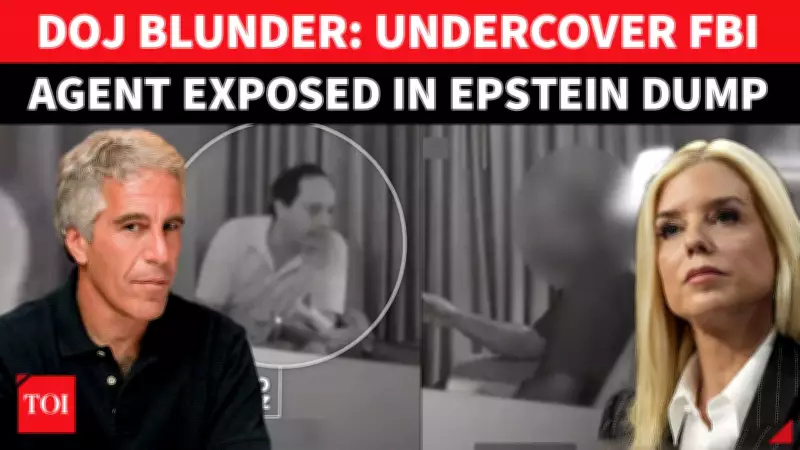
The Justice Department is confronting renewed and severe criticism following a significant redaction failure in the latest batch of Jeffrey Epstein-related documents. In a newly released video from a 2009 sting operation, the face of an undercover FBI agent was improperly left unredacted, exposing the agent's identity to the public. This critical error has sparked immediate backlash from lawmakers, legal experts, and transparency advocates who are questioning the DOJ's competence in handling highly sensitive materials.
Details of the Sting Operation Video
The video in question captures a covert operation targeting Epstein's former house manager and involves discussions related to Epstein's infamous "black book" of contacts. This book has long been a subject of intense public and legal interest due to its listing of high-profile individuals associated with Epstein. The failure to conceal the FBI agent's face in this footage represents a serious breach of operational security and confidentiality protocols, potentially endangering the agent and compromising ongoing or past investigations.
Mounting Criticism Over Document Handling
This redaction blunder has intensified existing concerns about how the millions of pages of Epstein documents are being processed, reviewed, and released to the public. Critics argue that this incident is not isolated, pointing to previous redaction failures and a pattern of transparency issues within the DOJ. Lawmakers are now demanding answers, with some calling for congressional hearings to investigate the department's procedures and oversight mechanisms.

- The adequacy of redaction protocols for sensitive law enforcement operations
- The potential risks to undercover agents and their families
- The impact on public trust in government transparency efforts
- The need for improved accountability in document release processes
DOJ Response and Public Trust Concerns
In response to the growing backlash, Justice Department officials have attempted to downplay the significance of the error, insisting that the overall rate of redaction mistakes remains statistically low. However, this assurance has done little to quell public and political outrage. The incident has placed additional pressure on an already strained relationship between the DOJ and those advocating for full disclosure in the Epstein case.
As the controversy unfolds, questions persist about whether this failure represents systemic problems within the department's document review teams or if it was an isolated human error. The exposure of the FBI agent has reignited debates about balancing transparency with security in high-profile cases involving powerful figures.
The timing of this revelation is particularly sensitive, coming amid ongoing legal proceedings and public interest in Epstein's network. This redaction failure not only compromises an individual agent's safety but also undermines confidence in the government's ability to handle sensitive information responsibly, potentially affecting future document releases in this and other high-stakes investigations.