

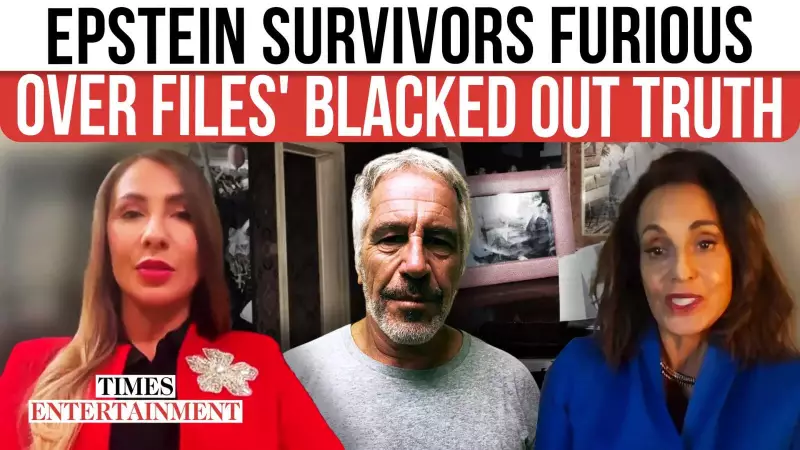
The long-awaited public release of thousands of documents related to the Jeffrey Epstein case has finally occurred, but instead of providing closure, it has ignited fresh controversy and anger. Survivors of Epstein's sex trafficking ring and their legal representatives are now accusing the U.S. Department of Justice (DOJ) of continuing to conceal crucial information, arguing that the heavily redacted files fail to deliver the promised transparency.
Documents Released, But Key Details Remain Hidden
On December 21, 2025, a massive trove of documents pertaining to the investigations into financier and convicted sex offender Jeffrey Epstein was made public. This release followed years of legal battles and public pressure. However, the unveiling has been met with significant criticism. Survivors and their attorneys point to extensive redactions—blacked-out sections—within the documents, missing files, and a lack of accompanying photographic evidence that was anticipated.
They argue that these omissions prevent a full understanding of the scope of Epstein's network and the extent of the abuse. The central allegation is that the Justice Department is failing in its duty to be transparent, potentially protecting powerful individuals associated with Epstein and his accomplice, Ghislaine Maxwell. This has led to growing outrage, with many questioning if justice is being delayed or denied once again.

Survivors and Legal Teams React with Anger and Disappointment
The reaction from the survivor community has been one of profound disappointment and renewed frustration. Having waited for years for these documents to see the light of day, many feel the redacted version is a half-truth. Their legal teams have been vocal, stating that the release in its current form is inadequate.
They emphasize that names of potential co-conspirators or enablers, specific locations, and corroborating details remain obscured. Furthermore, the noted absence of expected photographs—a key element in understanding the social and professional circles Epstein navigated—has raised serious questions about what is still being withheld from the public and the victims.
The unanswered questions are fueling a new wave of demands for accountability, not just for Epstein's crimes, but for the institutions handling the aftermath. The focus has sharply turned onto the DOJ's handling of the disclosure process itself.
Broader Fallout and Political Repercussions
The fallout from the document release is rippling beyond the survivor community, sparking political and public relations battles. As referenced in related news links, figures like former President Bill Clinton and Britain's Prince Andrew are facing renewed scrutiny based on the contents of the files. Clinton has reportedly been forced to 'fight back' after alleged photos emerged, while the documents are said to detail how Andrew helped open elite UK doors for Epstein and Maxwell.
Simultaneously, the political dimension is heating up. Oversight Democrats in the U.S. have reportedly demanded answers regarding missing material, such as a photo of Donald Trump, highlighting how the file release has become a flashpoint in ongoing political oversight. The combination of heavy redactions, missing items, and high-profile names is creating a perfect storm of public suspicion and media frenzy.
In conclusion, while the release of the Epstein documents marks a significant procedural step, it has fallen short of delivering the unambiguous truth sought by survivors and the public. The event has transitioned from a moment of revelation to a new battleground over transparency, institutional credibility, and the enduring pursuit of justice for the victims of one of the most notorious abuse cases in modern history.






