Former High Court Justice Demands Criminal Action Over TCP Department Violations in Goa
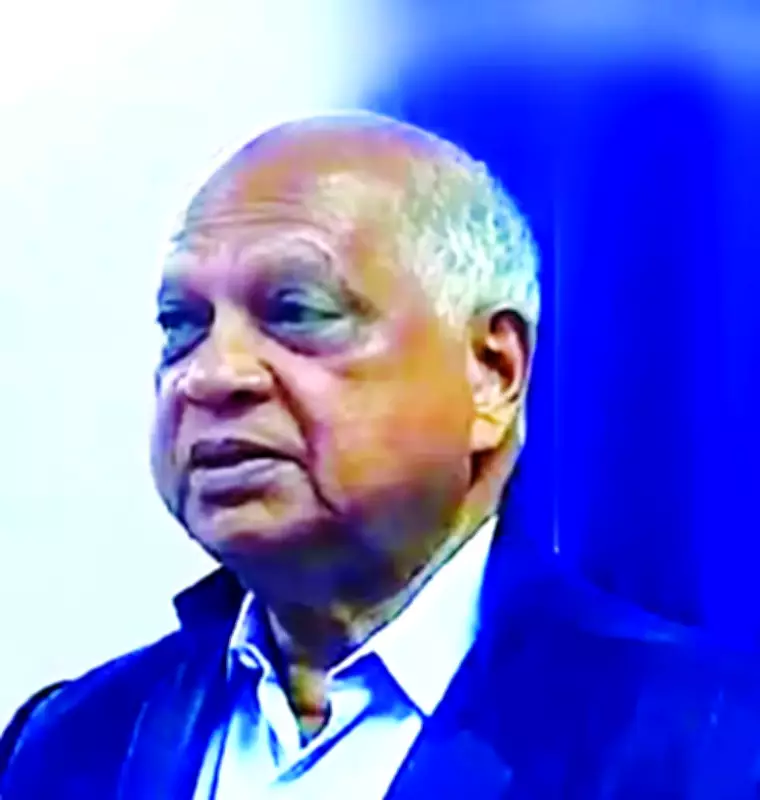
In a significant development that has sent shockwaves through Goa's administrative circles, retired Chief Justice of the Allahabad High Court, Justice Ferdino Rebello, has leveled serious allegations against the state's Town and Country Planning (TCP) department. The eminent jurist has accused the department of systematically misusing legislative processes to benefit real estate developers at the expense of environmental safeguards and legal protocols.
RTI Documents Reveal Widespread Procedural Violations
Documents obtained through Right to Information (RTI) applications by activist Swapnesh Sherlekar and subsequently shared by Justice Rebello paint a disturbing picture of administrative irregularities. These crucial documents reveal that the vigilance department conducted a preliminary inquiry following directions from the Bombay High Court. The inquiry report, dated April 25, 2025, examined a random sample of 11 files from a total of 119 applications for zone change approvals.
Alarmingly, the investigation found procedural violations in every single one of the 11 files scrutinized. This discovery suggests potential systemic failures within the TCP department's approval mechanisms.

Justice Rebello's Stern Demands for Accountability
Justice Rebello has made unequivocal demands for immediate action based on these findings. "Immediate action should be taken to lodge an FIR based on this report," he asserted emphatically. "The vigilance department should be asked to check and give their comments on all the other 108 files. No action was taken till date. This demonstrates the collusion of everybody in the TCP department and, for that matter, the government itself."
The retired justice's statements highlight what he perceives as a complete breakdown of accountability mechanisms within the department, with implications reaching the highest levels of state administration.
Legislative Amendments Under Scrutiny
Justice Rebello specifically pointed to the Goa Restrictions on Transfer of Agricultural Lands Act, 2023 as a legislative instrument being exploited for questionable purposes. He alleged that this legislation has been used to facilitate the conversion of tenanted paddy fields for the construction of high-rise buildings and luxury farmhouses.
"New laws are being introduced to bypass existing legal safeguards," he cautioned. "The mischief by legislative amendments post 2023 to allow conversion of paddy fields and other agricultural lands appears designed for the sole benefit of land developers, suggesting possible quid pro quo arrangements."
People's Movement and Formal Demands to Chief Minister
Justice Rebello, who spearheads the people's movement 'Enough is Enough', has escalated the matter through formal channels. He has written a fresh letter to Chief Minister Pramod Sawant containing specific demands formulated in consultation with activists, environmentalists, and legal experts.
The comprehensive list of demands includes:
- Amendment of Section 17(2) of the TCP Act and its corresponding rules to properly reflect the judgments of the High Court
- Complete scrapping of Section 39A of the TCP Act with retrospective effect
- Amendment of Section 17A of the TCP Act to include stronger provisions preventing indiscriminate hill cutting
These demands represent a concerted effort to close legislative loopholes that activists believe have been exploited to enable environmentally damaging real estate development.
Broader Implications for Governance and Development
The allegations raise fundamental questions about the integrity of Goa's urban planning processes and the protection of its fragile ecological balance. The case highlights the tension between development pressures and environmental conservation in one of India's most popular tourist destinations.

With a retired high court justice leading the charge and documentary evidence obtained through RTI, the matter has gained significant legal and moral weight. The coming days will reveal whether these serious allegations trigger the criminal investigations and legislative reforms being demanded, or whether they will face the bureaucratic inertia that Justice Rebello has already decried.