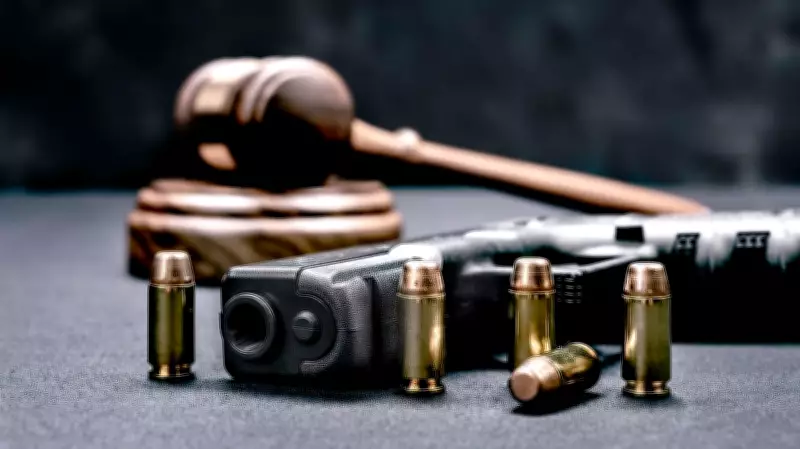
Examining the Scope of Gun Ownership in Canada Amidst Evolving Laws
In recent years, the landscape of gun ownership in Canada has undergone significant scrutiny and transformation. This analysis delves into the widespread nature of firearm possession across the nation, particularly in light of legislative changes initiated by former Prime Minister Justin Trudeau's administration.
Historical Context and Recent Developments
Canada has long maintained a distinct approach to gun control compared to its southern neighbor, the United States. However, the prevalence of firearms among Canadian citizens has been a topic of ongoing debate. According to various estimates, there are approximately 12 to 15 million firearms in civilian hands in Canada, translating to a rate of about 30 to 35 guns per 100 residents. This places Canada among countries with moderate levels of gun ownership globally, though it remains notably lower than rates seen in the U.S.
The issue gained renewed urgency in 2020 when former Prime Minister Justin Trudeau's government introduced a series of stringent restrictions on gun ownership. These measures were largely prompted by two tragic events: a devastating mass shooting in Portapique, Nova Scotia, and the horrific school shooting in Uvalde, Texas. While the Uvalde incident occurred in the United States, it underscored the broader North American context of gun violence and influenced Canadian policy discussions.

Key Legislative Measures and Their Impact
In response to these shootings, the Canadian government implemented several key policies aimed at curbing gun ownership and enhancing public safety. These included:
- A ban on over 1,500 models of assault-style firearms, which prohibited their sale, import, and use in Canada.
- Tighter regulations on handguns, including measures to freeze the buying, selling, and transferring of handguns nationwide.
- Enhanced background checks and licensing requirements for gun owners, with a focus on mental health assessments and criminal record reviews.
- Increased funding for law enforcement to combat illegal firearms trafficking and support community safety initiatives.
These restrictions have sparked considerable debate among Canadians. Proponents argue that they are necessary to reduce gun-related violence and prevent future tragedies, citing statistics that show a correlation between stricter gun laws and lower rates of firearm deaths. Critics, however, contend that the measures unfairly target law-abiding gun owners, such as hunters and sport shooters, without adequately addressing the root causes of violence or the influx of illegal guns from across the border.
Current Trends and Public Perception
Despite the new laws, gun ownership in Canada remains relatively widespread, particularly in rural and northern regions where firearms are often used for hunting and wildlife protection. Surveys indicate that about 20-25% of Canadian households own at least one gun, with ownership rates higher in provinces like Alberta and Saskatchewan. The cultural significance of firearms in these areas adds complexity to the national conversation.
Public opinion on gun ownership is divided. Some Canadians support the Trudeau-era restrictions as a step toward safer communities, while others view them as an infringement on personal freedoms. The ongoing discourse reflects broader societal values around security, rights, and the role of government in regulating dangerous items.
Looking Ahead: Future Implications
As Canada continues to navigate the balance between gun ownership and public safety, several factors will shape the future landscape. These include potential legal challenges to the restrictions, changes in government policy under new leadership, and evolving trends in gun violence and crime rates. International events, such as mass shootings abroad, may also influence domestic debates and policy adjustments.

In summary, gun ownership in Canada is a multifaceted issue with deep historical roots and contemporary relevance. The restrictions introduced by former Prime Minister Justin Trudeau's government mark a significant shift, but their long-term effectiveness and acceptance remain to be seen. Understanding the widespread nature of firearms in Canada requires considering both statistical data and the diverse perspectives of its citizens.