First Flight from West Asia War Zone Touches Down in Kolkata After Prolonged 113-Hour Hiatus
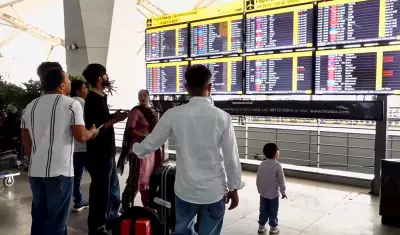
In a significant development amid escalating tensions in West Asia, a flight from the conflict-affected region successfully arrived in Kolkata on Thursday. This marked the first such arrival since the last flight from the Gulf departed from the city over 113 hours ago on February 28. Another flight is tentatively scheduled to operate on Saturday, pending the volatile situation in the area.
FlyDubai Flight Details and Passenger Experiences
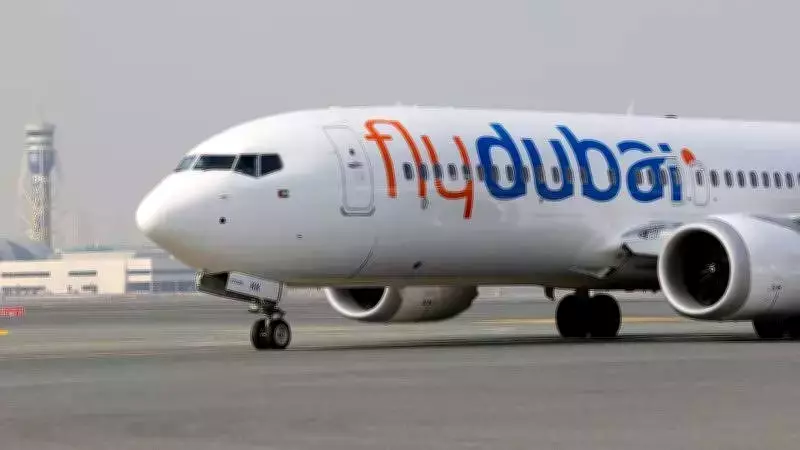
The FlyDubai flight FZ 461, operated using a Boeing 737 Max-8 aircraft, landed at Kolkata's airport at 2.40 am, experiencing a delay of more than two hours from its original schedule. Despite the setback, the 130 passengers on board expressed immense relief at returning to Kolkata, escaping the looming threats of drones and bombs in the war-torn region.
The return flight took off at 3.59 am instead of the planned 1.25 am departure, carrying only 55 passengers. The aircraft features a 2-class cabin configuration with a total of 166 seats, including 10 in business class and the remainder in economy.
Among the passengers was Naushad Ali, a 35-year-old businessman from Kidderpore. Ali had traveled to Dubai on February 27 for what he described as a routine monthly business trip, typically lasting seven to eight days. His return was initially scheduled for the following day, but the flight was abruptly canceled due to the outbreak of the war.
"Initially, my family—including my parents, wife, daughter, and siblings—were extremely worried about my safety," Ali recounted. "I reassured them that the situation in Dubai remained relatively normal, but I consider myself fortunate to be among the first group of passengers able to return to Kolkata under these circumstances."
Impact of the West Asia Conflict on Kolkata's Air Connectivity
An airport official explained that FlyDubai operated this special flight primarily to assist passengers stranded in Dubai. The airline has indicated plans for another scheduled flight on Saturday, though this remains contingent upon the evolving regional security conditions.
Prior to the conflict, Kolkata's airport typically handled approximately four to six daily flights from the Gulf region. However, all flights from key hubs such as Dubai, Abu Dhabi, and Doha were suspended following the initiation of strikes by the US and Israel against Iran. In response, Iran launched counterstrikes targeting Israel and other Gulf nations hosting US military bases, prompting multiple countries in the region to close their airspace entirely.
"The last flight from the region before the FlyDubai arrival was Emirates flight EK 571, which departed from Kolkata at 9.35 am on February 28," the official noted, highlighting the prolonged disruption.
Broader Consequences for International Travel from Kolkata
The eruption of the West Asia war has severely impacted international travel originating from Kolkata. Thousands of passengers bound for Europe or the United States found themselves stranded in the city, as a significant portion of west-bound traffic is traditionally managed by major Gulf carriers including Emirates, Etihad, Qatar Airways, FlyDubai, and Air Arabia.
With Gulf airspaces shut down and airlines forced to take lengthy detours, airfares skyrocketed by as much as five times their usual rates, rendering travel financially unfeasible for many individuals and families.
Another airport official commented, "Although Kolkata handles fewer international flights compared to other major Indian airports, the conflict in West Asia has dealt a substantial blow to international passenger traffic figures. Fortunately, domestic travel operations have remained robust and largely unaffected."
On a weekly basis, the 32 flights connecting Kolkata to the Gulf region transport around 12,500 passengers, equating to nearly over 50,000 passengers traveling to and from the city each month. This underscores the critical role of Gulf connectivity for Kolkata's international travel ecosystem and the widespread repercussions of the ongoing geopolitical turmoil.