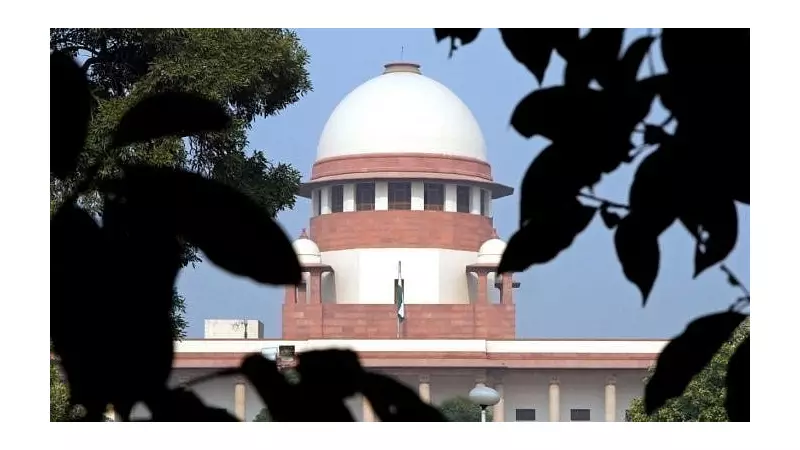
In a significant development in the long-running Delhi riots case, four individuals have been released from the capital's Tihar Jail. This follows the Supreme Court granting them bail, a decision that was formally executed by a sessions court in Delhi on Wednesday.
Court Formalities and Release Orders
The release process was set in motion after Additional Sessions Judge Sameer Bajpai accepted the bail bonds submitted by the four accused. Each of them furnished a personal bond of Rs 2 lakh. In addition to this amount, they were required to provide two local sureties for the same sum, meaning each surety also stood guarantee for Rs 2 lakh.
Upon verification and acceptance of these legal and financial documents, Judge Bajpai issued the official release orders. The four individuals who walked out of Tihar Jail are Gulfisha Fatima, Meeran Haider, Shifa Ur Rehman, and Mohd Saleem Khan. The legal proceedings culminated on January 7, 2026, marking the end of their incarceration in this particular case.
The Path to Bail
The pivotal moment for the accused came when the Supreme Court of India granted them bail. The apex court's decision is the foundation upon which the lower court acted. While the detailed reasoning from the Supreme Court's order is part of the legal record, the sessions court's role was to implement this decision by processing the necessary bail bonds and sureties as mandated by law.
This step underscores a fundamental legal principle: once the highest court grants bail, the administrative and procedural formalities must be completed swiftly by the concerned jail authorities and lower courts to effect the release.
Context and Implications
The release of these four accused is a notable chapter in the extensive legal proceedings stemming from the 2020 Delhi riots. The case has seen multiple arrests, chargesheets, and bail hearings over the years, drawing significant national attention.
The granting of bail by the Supreme Court and the subsequent release does not equate to an acquittal. The legal process against the accused is still ongoing, and they will be required to comply with all conditions set by the court while out on bail. These conditions typically include regular appearances before the investigating agency or the trial court, surrender of passports, and a prohibition on influencing witnesses.
For the families and legal teams of Gulfisha Fatima, Meeran Haider, Shifa Ur Rehman, and Mohd Saleem Khan, the release is a major relief. It allows them to prepare for the forthcoming stages of the trial outside the confines of prison. The development also reignites discussions on the pace of the judicial process in complex cases involving multiple accused and the application of bail provisions.