Ghaziabad Occultist Accused of Triple Murder Was Feared and Revered in Neighborhood
In the Vijay Nagar area of Loni, Ghaziabad, opposite the home of 72-year-old Kamruddin, lies a vacant plot that became a source of deep unease for local residents. Neighbors claim the alleged occultist, now accused of poisoning and killing three people in Delhi, would frequently discard ritual offerings there late at night—fruits, ashes, eggs, lemons, and other remnants of ceremonies that left many uncomfortable long before his arrest.
Ritual Offerings and Neighborhood Fear
"He would buy fruits in bulk, perform his rituals, and then discard everything in that plot. We told our children not to go near it," one neighbor recalled, describing how the vacant area became associated with Kamruddin's mysterious activities. During a recent visit by journalists, a small plastic box containing peeled orange segments and other ritual leftovers was still visible on the plot, which neighbors say was routinely littered with similar items.
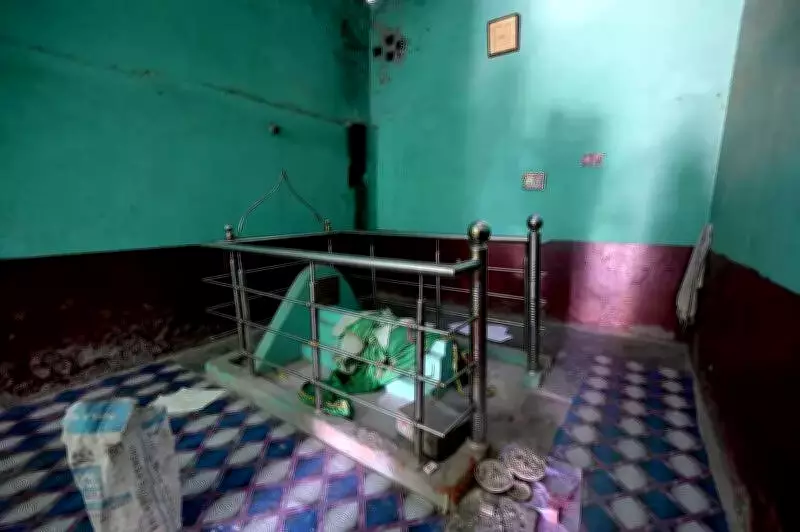
Naseema Khatoon, a 60-year-old resident, remembered that her early interactions with Kamruddin were friendly. "When we first moved here, we would visit and talk like neighbours do," she said. "But one day, I saw what looked like a skull placed near the mazaar. After that, we stopped going there. Over time, many of us decided it was better to maintain distance."

She also alleged that during disputes, Kamruddin would sometimes invoke threats of black magic and take over neighboring plots, intimidating some residents.
The Dual Identity: Feared Occultist and Revered Healer
Despite the fear he generated among some neighbors, Kamruddin maintained a completely different reputation for many others in Vijay Nagar. For nearly a decade, he was revered as a "peer" or spiritual healer to whom people turned for relief from kidney stones, chronic ailments, and unexplained illnesses. Residents reported that cars would line the narrow approach road at all hours of the day and night, each carrying people seeking remedies he claimed to offer.
His wife Reshma described how her family once approached Kamruddin when her infant son developed jaundice. "He performed a ritual using neem leaves when my child was six months old. To know now that he has killed someone, it is terrifying," she said, highlighting the shocking contrast between his healing reputation and criminal allegations.
Property Expansion and Family Businesses
Elderly residents recalled a time when Kamruddin owned just a single, modest room on a small plot. Over approximately nine years, however, he steadily expanded his holdings, acquiring at least eight properties in the same lane. His home also housed Aarif Kirana Store, and the family ran multiple food businesses nearby:
- Bismillah Hotel on the ground floor of the building
- Ali Food Corner right across, managed by his grandson
- Another outlet, Ali Fast Food Point, in a neighboring plot
Locals said the family also accumulated plots and a marriage hall in Firozabad. A father of seven, Kamruddin lived with his wife in a room on the first floor of their Loni home. The ground level housed a small dargah-like shrine where residents claim he conducted most of his rituals.
Criminal Investigations and Police Findings
Kamruddin is accused not only in the recent triple murder in Delhi but also in a double murder case in UP's Firozabad and one in Rajasthan in 2014. Police have taken him to Firozabad, where he previously lived and allegedly duped several people. Investigators are probing the possible source of the poison and his contacts in the area.
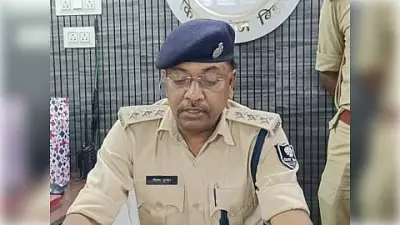
According to DCP (Outer) Sachin Sharma, Kamruddin learned the illegal practice of occult around 2010 in UP from his mentor. "His first known victim was a couple from Rajasthan. The woman was not able to conceive a child, so they contacted Kamruddin for 'treatment'. On Kamruddin's instructions, the woman was killed by her husband," he said, adding that Kamruddin would often use besan laddoos and eggs for his rituals.

Police sources revealed that during interrogation, Kamruddin showed no remorse over the killings in Delhi, in which the bodies of three people—Randhir, Shiv Naresh, and Laxmi—were found. Investigators zeroed in on Kamruddin after analyzing Laxmi's chats with another person, which provided key leads.
Investigation Details and Forensic Evidence
A source said Kamruddin uses a keypad phone and does not save any numbers, likely to avoid detection. Police suspect he may have used a second handset that is now being traced. During analysis of his phone, officers found he was in contact with several people and continued to receive calls from different numbers from individuals seeking his help.
CCTV footage has surfaced showing him walking along a street carrying something, and police are probing whether he was heading to board the car linked to the Peeragarhi case. DCP Sharma said evidence in the form of glasses, liquor bottles, car mats, cash, and ID cards of victims have been collected from the car, with forensic examination currently underway.
Police have also conducted a psychological evaluation of the accused that lasted more than two hours. Investigators are now examining old receipts and property documents to map the full extent of plots he purchased and assess the scale of his accumulated wealth. Teams are searching for additional records and questioning property dealers in Loni and Firozabad to better understand his financial dealings and real estate holdings.
Family Perspective and Community Questions
Of Kamruddin's five sons, two—Shamshuddin and Raju—live in the same lane, while the others are based in Firozabad. One daughter also resides nearby. A neighbor said Raju earns his living driving an e-rickshaw, a detail some cite to question the extent of Kamruddin's claimed powers.
"If he could truly create wealth, convert lakhs into crores or cure everything as people believed, you would expect his own household to look very different," said Rizwan, a neighbor, pointing to the apparent contradiction between Kamruddin's reputation and his family's modest circumstances.
Raju's wife told journalists she was unaware of any alleged criminal involvement and knew him only as someone people visited for healing. She claimed most of her family members, including her husband, have been detained.
Kamruddin was preparing for the wedding of his grandson Ali, scheduled around Eid in March, and was seen by some as a soft-spoken elder focused on family and business. Yet the investigation continues to uncover a complex web of alleged criminal activities spanning multiple states and years.