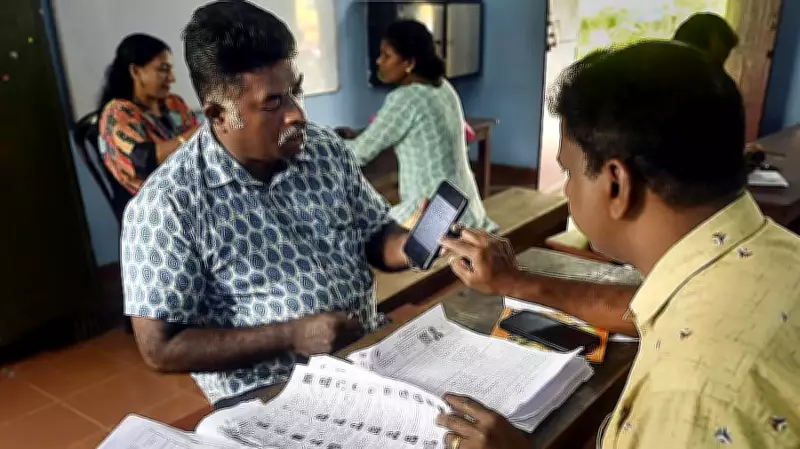
Ground-level hurdles are significantly plaguing the Special Investigation Operation (SIR) in Karnataka, with overburdened booth-level officers grappling with a range of challenges including migrant populations, trust issues, inaccessible residents, outdated records, and verification difficulties. These obstacles are hampering the effectiveness of the operation, which aims to address various investigative and law enforcement tasks across the state.
Key Challenges Faced by Booth-Level Officers
The officers, who are the frontline workers of the SIR, encounter numerous problems that impede their work. One of the primary issues is the presence of large migrant populations, which makes it difficult to maintain accurate and up-to-date records. These populations often move frequently, leading to outdated information that complicates verification processes.
Trust Issues and Inaccessible Residents
Trust issues between residents and law enforcement further exacerbate the situation. Many residents are reluctant to cooperate with officers due to past experiences or fear of repercussions. Additionally, some residents live in inaccessible areas, making it physically challenging for officers to reach them. This lack of access prevents proper data collection and verification.

Outdated Records and Verification Challenges
Outdated records are another significant hurdle. The SIR relies on accurate data to function effectively, but many records have not been updated in years. This leads to verification challenges, as officers must cross-check information that may no longer be valid. The time and effort required to verify such data strain the already limited resources of the booth-level officers.
Impact on SIR Operations
These ground-level issues collectively undermine the SIR's objectives. The operation, which was designed to streamline investigations and improve law enforcement efficiency, is slowed down by these persistent problems. Officers spend considerable time addressing these hurdles instead of focusing on core investigative tasks.
Need for Systemic Reforms
To address these challenges, experts suggest systemic reforms. Updating records regularly, improving community engagement to build trust, and providing better logistical support to officers in inaccessible areas are some of the measures that could help. Additionally, leveraging technology for data management and verification could reduce the burden on booth-level officers.
Despite these difficulties, the SIR continues its efforts, with officers working diligently to overcome the obstacles. However, without significant changes, the operation may struggle to achieve its full potential in Karnataka.