

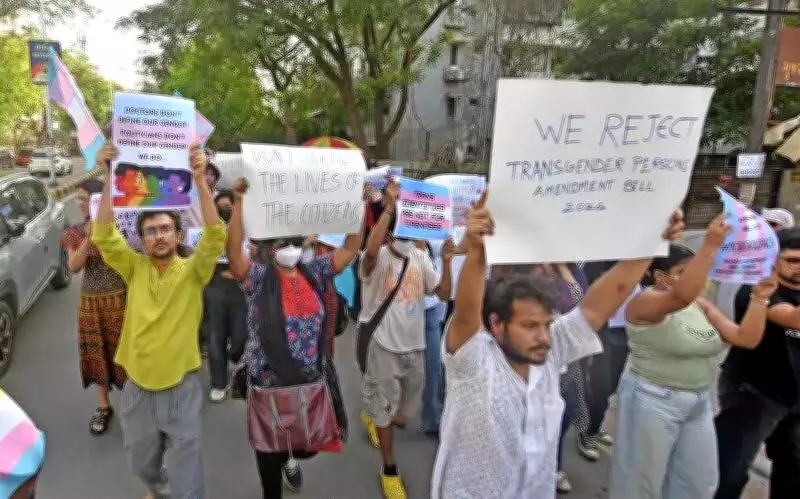
Gujarat LGBTQIA+ Organizations Voice Strong Opposition to Transgender Rights Amendment Bill
Three prominent community organizations based in Gujarat, working extensively with LGBTQIA+ individuals, have issued a powerful joint statement expressing vehement opposition to the proposed Transgender Persons (Protection of Rights) Amendment Bill, 2026. The groups have labeled the legislation as "regressive" and a direct violation of fundamental constitutional rights, sparking significant concern within advocacy circles.
Core Concerns: Erosion of Dignity and Self-Determination
The organizations—Foram Foundation, Lakshya Trust, and Vikalp Women's Group—collectively argue that the amendment fundamentally "erodes dignity" and strips away the crucial right to self-determination of gender identity. This principle was firmly established by the Supreme Court of India in its landmark 2014 judgment in the NALSA vs Union of India case, which recognized the right of transgender persons to self-identify their gender.
The proposed changes are criticized for narrowing the legal definition of 'transgender,' which the groups state would effectively exclude large segments of gender-diverse communities from legal recognition and protection. "The attempt to identify 'genuine oppressed persons' is inherently exclusionary," the joint statement declares. "It limits protections to select socio-cultural identities and intersex persons, while systematically discriminating against others within the broader spectrum."

Medico-Bureaucratic Intrusion and Privacy Violations
A major point of contention revolves around provisions that would empower medical boards to certify transgender identity and mandate the sharing of sensitive medical information with district authorities. According to the organizations, this establishes a "medico-bureaucratic structure" that severely infringes upon individual privacy and personal dignity.
"It is based on the unscientific assumption that only those with gender-variant sex characteristics can be recognized as transgender," the statement notes, emphasizing that this approach ignores the psychological dimensions and lived realities of gender identity for countless individuals.
Potential Impact on Grassroots Work and Community Welfare
The groups further warn that the amendment could severely undermine ongoing grassroots efforts by restricting legal recognition and access to essential welfare schemes for diverse communities. This includes transmen, transwomen, non-binary, and gender-queer individuals, who may find themselves marginalized by the new legal framework.
Additionally, concerns have been raised regarding expanded penal provisions within the bill. The organizations claim these provisions may inadvertently reinforce harmful stereotypes and deepen the existing vulnerabilities faced by transgender and gender-diverse persons, rather than offering protection.
Call for Withdrawal and Inclusive Consultation
Describing the bill as a "major step backwards" for the LGBTQIA+ rights movement in India, the three Gujarat-based organizations have urgently called upon the central government to withdraw the proposed amendment entirely. They advocate for the initiation of wider, more inclusive consultations that actively involve:
- Community members with lived experiences
- Civil society organizations
- Legal experts specializing in gender and constitutional law
- Healthcare professionals, including mental health practitioners
A protest program has been planned for Tuesday to amplify these demands and draw public attention to what the groups perceive as a critical setback for human rights and equality. The opposition from Vadodara highlights a growing regional and national discourse on the need for transgender rights legislation that is truly inclusive, respectful, and constitutionally sound.






