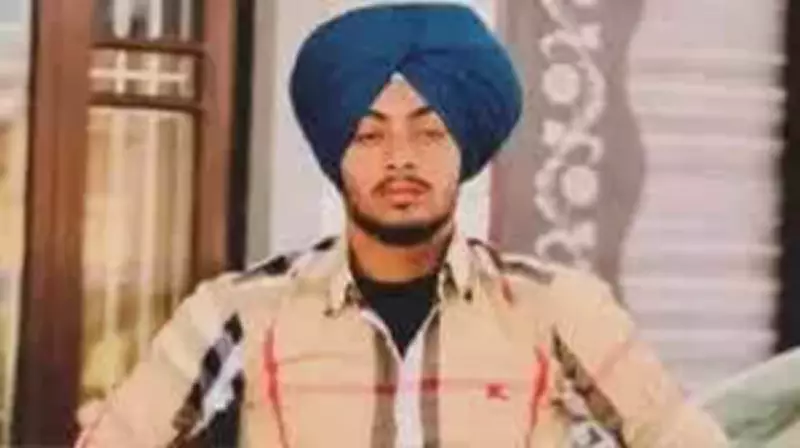
Family of Gurdaspur Youth Killed in Police Encounter Demands CBI Investigation
The family of 19-year-old Ranjit Singh, a suspect in the February 21 murder of two police officers who was later killed in a police encounter on February 25, has announced they will launch another protest to demand a Central Bureau of Investigation (CBI) probe into his death. They have declared they will not cremate his body until their demand is met, escalating tensions in the region.
Protest Announcement and Demands
Ranjit's uncle, Harwinder Singh, stated that the body is currently being kept in a freezer, and the cremation will only proceed after the government orders an inquiry either by the CBI or a sitting judge of the high court. "We also want the police to identify and register FIRs against police personnel responsible for the incident," he emphasized, highlighting the family's distrust in the local police version of events.
Background of the Case
Ranjit Singh was implicated in the killing of ASI Gurnam Singh and home guard Ashok Kumar at the Adhian police post in Gurdaspur, located just 1 kilometer from the Pakistan border. On February 25, at 3 a.m., police took him for the recovery of a weapon when he allegedly escaped from custody. According to police reports, he was found hours later, shot at officers, and was killed in retaliatory fire.
However, this account has faced sharp criticism from civilian groups, farmers' organizations, and political factions, who question its authenticity. The family alleges the encounter was fake, adding to the controversy.
Upcoming Protest and Related Arrests
The family plans to hold another protest in Gurdaspur on March 9 to press their demands. Meanwhile, two other suspects in the policemen's killings, Dilawar Singh and Inderjit Singh, have been arrested. Their families have also claimed that the trio was framed in the murder case, further complicating the narrative.
Family Grievances and Additional Allegations
Dilbagh Singh, father of Dilawar, revealed that Ranjit's father is currently in the Gulf and was arrested for a traffic violation. "The family also wants him to come back so he could have a last glimpse of his son," he added, underscoring the emotional toll on the family.
He also challenged the police's assertion that the three youths had links to Pakistan, arguing that an impartial inquiry would expose the facts and debunk the police theory. This demand for transparency reflects broader concerns about police accountability and justice in the region.