

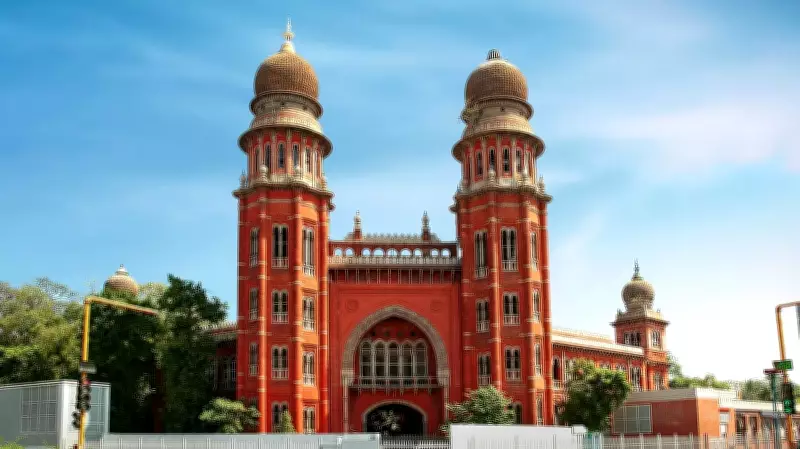
Madras High Court Directs Tamil Nadu Government to Allow Symbolic Prayers at Tirupparankundram Hill
In a significant ruling, the Madras High Court has instructed the Tamil Nadu government to permit five specific individuals, designated by the court, to conduct symbolic prayers at the revered Tirupparankundram hill. This directive emerged during a hearing on a contempt petition, which was filed due to the government's failure to comply with a previous court order regarding the lighting of the Karthigai Deepam atop the Deepathoon.
Court's Clarification on Symbolic Prayers
The court explicitly stated that the symbolic prayers should not involve the actual lighting of the traditional lamp. Instead, it emphasized that this allowance is a gesture of respect towards the court's earlier orders. The bench highlighted that if the government wishes to demonstrate compliance and reverence for judicial directives, it can facilitate this limited prayer session for the five named persons.
This decision aims to balance religious sentiments with legal adherence, ensuring that the core issue of non-compliance is addressed without escalating tensions. The court's focus remains on upholding its authority while acknowledging cultural practices in a controlled manner.

Background of the Contempt Petition
The contempt petition was initiated following the government's inaction on a prior court order related to the Karthigai Deepam ceremony. The Deepathoon, a key site for the festival, has been at the center of this legal dispute, with devotees seeking permission for rituals that have been restricted due to various concerns.
- The earlier direction involved lighting the Karthigai Deepam, a significant ritual in Tamil Nadu's cultural and religious calendar.
- Non-compliance led to the filing of the contempt petition, prompting the court to revisit the matter.
- In response, the court proposed a compromise: allowing symbolic prayers as a means to show respect without fully implementing the initial order.
This ruling underscores the judiciary's role in mediating between governmental policies and religious freedoms, particularly in sensitive cases involving heritage sites. By limiting the prayers to a symbolic act and a small group, the court seeks to prevent potential conflicts while asserting its directives.
Implications for Future Cases
The Madras High Court's approach sets a precedent for handling similar disputes where religious practices intersect with legal mandates. It demonstrates a nuanced strategy that prioritizes judicial respect over rigid enforcement, potentially influencing how other courts in India address such matters.
- The government must now arrange for the five court-named individuals to access Tirupparankundram hill for the symbolic prayers.
- This decision may lead to further discussions on the balance between tradition and regulation in public spaces.
- Observers note that this could pave the way for more collaborative solutions in religious-legal conflicts across the state.
As the situation develops, stakeholders will closely monitor the implementation of this order, which reflects the ongoing dialogue between faith and law in Tamil Nadu's vibrant cultural landscape.






