Bombay High Court Declares Sanitation a Fundamental Right, Orders BMC Action
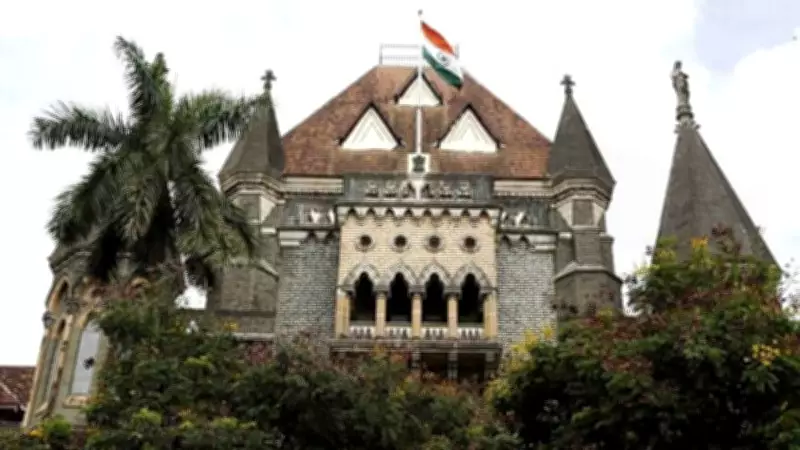
In a landmark judgment, the Bombay High Court has emphasized that access to adequate sanitation facilities constitutes a basic human right under Article 21 of the Constitution, which guarantees the Right to Life. The court has directed the Brihanmumbai Municipal Corporation (BMC) to ensure sufficient and well-maintained toilet facilities in slum areas across Mumbai, including those located on encroached municipal or government land.
Court's Ruling on Municipal Duty
The High Court bench, comprising Justices Girish S Kulkarni and Aarti A Sathe, held that the BMC is duty-bound to provide an adequate number of toilets and maintain them properly to safeguard the hygiene and health of slum dwellers. This obligation applies universally to all slums in the city, regardless of land ownership status.
The court stated, "In our opinion, making adequate provisions for toilets or sanitation facilities concerns the basic human rights under Article 21 of the Constitution, this notwithstanding the fact that the area in question is a slum created by encroachment on the land belonging to the municipal corporation."

Background of the Case
The order was passed on February 3, 2026, while hearing a writ petition filed by Chetan Samajik Pratishthan, which highlighted the severe lack of sanitation facilities in slum areas of Govandi, located in Mumbai's eastern suburbs. This slum cluster spans approximately 1.83 lakh square metres and is home to around 4,270 residents living in over 800 huts.
Advocate Pradeep Thorat, representing the petitioner, submitted that the slums of Buddha Nagar, Bhaiyasaheb Nagar, and New Lumbini Baug had only 60 toilet blocks, most of which were in a ruinous and dilapidated condition. He further argued that if any of these facilities were demolished and relocated, residents would be forced to travel long distances to meet their basic sanitation needs.
Insufficient Facilities for Large Population
The bench observed that the "meagre 60 toilets" were "insufficient" for a "large population" of over 4,000 persons. The court noted that under municipal law, the civic body cannot neglect fundamental human needs such as adequate sanitation and toilet facilities.
The bench remarked, "The Municipal Commissioner and officers below him cannot neglect and or breach such basic rights of the citizens, who are living in unhygienic conditions in the slums that too, proliferated on the municipal and Government lands."
Critique of Current Policies
While acknowledging that current state policies often "reward" encroachers by granting free permanent alternate accommodation or subsidised tenements for those occupying public land before cut-off dates, the court observed that such land is frequently made available for "commercial exploitation."
The High Court pointed out that these accommodations are typically constructed by private developers as profit-driven business ventures, resulting in significant and irreversible loss of public land that could otherwise be used for gardens, playgrounds, and other public amenities.
Fundamental Rights and Municipal Responsibilities
However, the court clarified that in the absence of any alternative policy, the failure of the BMC or the state to provide toilets in slum areas would amount to a "breach of the fundamental rights guaranteed under Articles 14 and 21 of the Constitution."
The HC further emphasized that municipal officers must also address other health and hygiene requirements in slum areas to prevent the spread of diseases and infections. This duty includes providing clean drinking water and medical assistance through clinics and dispensaries.
The court noted, "Such measures also constitute an entitlement of the slum dwellers to a disease-free and healthy life, which is a concomitant of Article 21 of the Constitution."
Directives for Immediate Action
The bench issued specific directives to the BMC:

- Immediately repair and ensure daily maintenance of existing toilet facilities.
- Identify open areas to construct additional toilet blocks in proportion to the population within two months.
- The Assistant Municipal Commissioner concerned must personally oversee the upkeep of toilet blocks in slum areas across Mumbai.
The HC concluded, "This would be the basic municipal duty of the municipal corporation," while disposing of the petition.
This ruling underscores the judiciary's commitment to upholding fundamental rights and ensuring that basic amenities are accessible to all citizens, particularly those in vulnerable communities.