Kerala High Court Directs Temple to Submit Timeline for Idol Defect Rectification
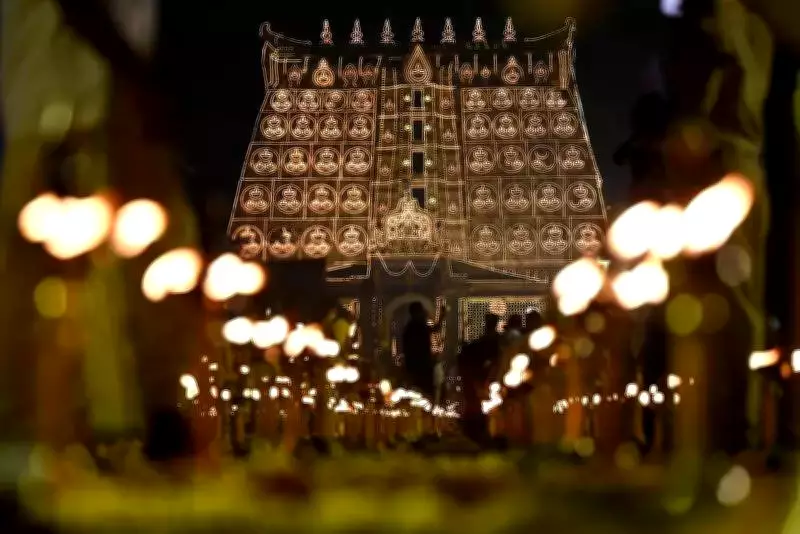
The Kerala High Court has issued a significant directive to the executive committee of the renowned Sree Padmanabhaswamy Temple in Kochi, mandating the submission of a comprehensive timeline for completing the rectification of defects identified in the temple's moolavigraham, or principal idol. This order comes in response to mounting concerns over the preservation of the sacred deity.
Court's Directive and Petitions
A bench comprising Justices Devan Ramachandran and M B Snehalatha delivered this directive while adjudicating petitions filed by R Rajasekharan Pillai of Kayamkulam and other concerned devotees. The petitioners had sought judicial intervention to compel the temple's administrative committee to expedite the rectification of defects in the main idol, emphasizing the urgency of the matter for religious and cultural heritage preservation.
The court has instructed the executive committee, which includes the chief tanthri as a key member, to engage in continuous meetings with an expert committee. The objective is to collaboratively prepare a detailed timeline for the necessary restoration works and submit a formal report to the court within a strict deadline of 10 days. This move aims to ensure transparency and accountability in the temple's administrative processes.

Background and Previous Hearings
In earlier proceedings, the High Court had directed the temple's competent authorities, including the tanthri, to furnish reports outlining specific timelines for each component of the rectification work and the proposed execution methodology. During these hearings, counsel for the chief tanthri informed the court that a preliminary timeline and process had been defined for completing the work.
However, the administrative committee subsequently requested additional time to assess the competence of the shilpis (traditional artisans) tasked with the restoration. In response, the court expressed its dissatisfaction with any further delays, making an oral observation that it would not tolerate procrastination. Consequently, the bench directed the executive committee to provide a finalized timeline within the stipulated 10-day period.
Delays and Ritual Considerations
Previously, temple authorities had cited significant religious events, such as the Murajapam ritual and the Lakshadeepam ceremony, as reasons for seeking extensions to commence the rectification work. The court had granted permission for these delays out of respect for the temple's spiritual practices and traditions.
Despite this allowance, the rectification work did not initiate even after the completion of these ceremonies, prompting the current judicial intervention. The court's latest order underscores its commitment to balancing religious sensitivities with the imperative of timely action to address the idol's defects, ensuring the temple's heritage is safeguarded for future generations.