

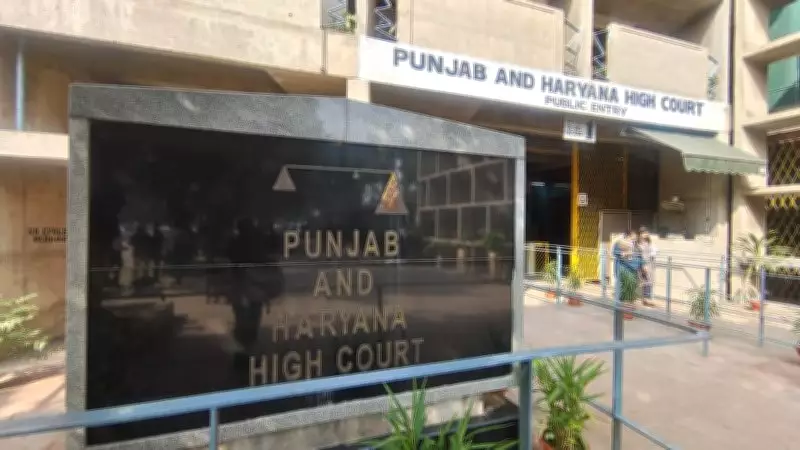
Haryana High Court Reinstates Employment for 10,000 CET Recruits
In a significant judicial development, the Punjab and Haryana High Court has restored the jobs of approximately 10,000 recruits who were selected through the Haryana Common Eligibility Test (CET). This ruling comes after the court had previously quashed the entire recruitment process, but has now limited that earlier decision to affect only two specific groups of candidates.
Court's Revised Order Limits Scope of Earlier Quashing
The High Court clarified that its earlier order, which had nullified the CET recruitment, will now apply exclusively to two categories: candidates who were appointed under the Economically Weaker Sections (EWS) quota and those who were selected from the Backward Classes (Block A) category. This modification effectively safeguards the employment status of the vast majority of the 10,000 recruits, ensuring their jobs remain intact while addressing legal concerns over specific quota implementations.
Background of the CET Recruitment Controversy
The Haryana CET was conducted to fill various government posts, attracting widespread participation. However, the recruitment process faced legal challenges alleging irregularities in the reservation and selection criteria. The initial court order had put all appointments in jeopardy, leading to uncertainty and distress among the selected candidates. The latest ruling aims to balance judicial oversight with the practical need to maintain staffing in government services.

Implications for Haryana's Governance and Employment
This decision is expected to have far-reaching effects on Haryana's administrative framework and employment landscape. By restoring jobs for most recruits, the court helps stabilize public sector staffing, which is crucial for service delivery. Additionally, it sets a precedent for handling similar recruitment disputes, emphasizing targeted judicial interventions rather than blanket cancellations.
Key Points from the Court's Order:- Jobs restored for around 10,000 Haryana CET recruits.
- Earlier quashing order limited to EWS and Backward Classes (Block A) candidates.
- Recruitment process for other categories deemed valid and upheld.
- Decision aims to minimize disruption in government operations.
The ruling underscores the judiciary's role in addressing employment disputes while considering broader societal impacts. It highlights the importance of fair recruitment practices and the need for legal clarity in reservation policies. As Haryana moves forward, this case may influence future recruitment drives and legal frameworks in the state and beyond.






