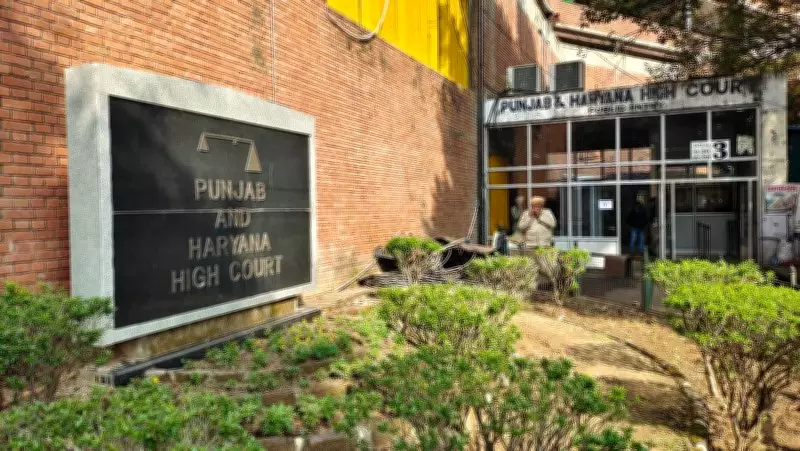
High Court Demands Answers from Punjab and Haryana Officials Over Supreme Court Directive
The Punjab and Haryana High Court has taken a stern stance against the state administrations of Punjab and Haryana, issuing show-cause notices to their top bureaucrats and police chiefs. This action comes in response to the alleged non-implementation of a crucial Supreme Court order, raising serious concerns about compliance with judicial directives.
Legal Rebuke for Delayed Action
In a significant legal development, the High Court has directed the chief secretaries and directors general of police (DGPs) of both states to provide detailed explanations. The court has set a strict deadline of four weeks for these officials to respond, underscoring the urgency of the matter. This move highlights the judiciary's growing impatience with administrative delays that hinder the execution of Supreme Court mandates.
The show-cause notices were issued during a hearing where the court expressed dissatisfaction with the progress made in adhering to the Supreme Court's instructions. Legal experts suggest that this step could pave the way for further actions, including potential contempt proceedings, if the explanations are deemed insufficient.
Implications for Governance and Rule of Law
The failure to implement the Supreme Court order has sparked debates about governance efficiency and the rule of law in the region. Observers note that such non-compliance can erode public trust in judicial and administrative systems, potentially leading to broader legal and social repercussions.
Key aspects of the case include:
- Accountability: The notices target the highest-ranking officials, emphasizing personal responsibility in ensuring court orders are followed.
- Timeline: The four-week response period is seen as a test of the states' commitment to swift action.
- Precedent: This case may set a benchmark for how similar issues are handled in other states, reinforcing the judiciary's authority.
As the deadline approaches, all eyes are on Punjab and Haryana to see how they address this legal challenge. The outcome could influence future interactions between state governments and the judiciary, shaping policies on compliance and enforcement across India.