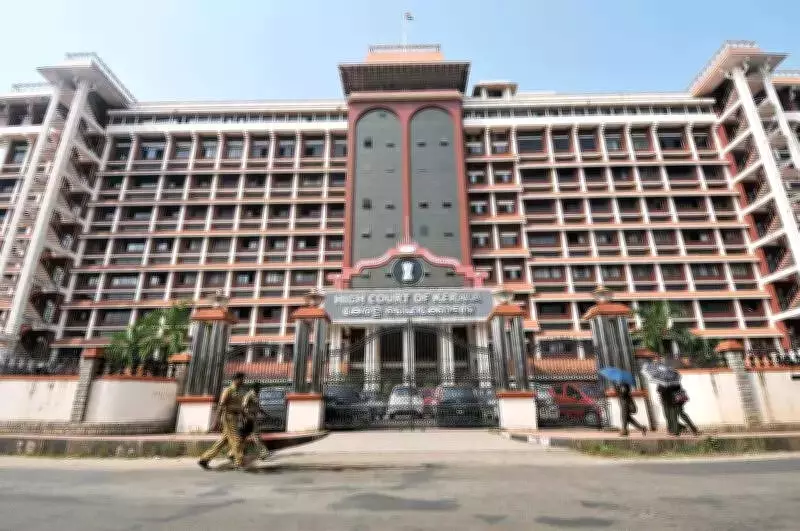
Kerala High Court Grants Interim Stay on RTI Officer Appointment Directive for Private Medical Colleges
In a significant legal development, the Kerala High Court has issued an interim stay for two months on an order from the Kerala University of Health Sciences. The contested directive mandated that self-financing medical education institutions appoint public information officers and appellate authorities in all affiliated colleges.
Legal Bench and Petition Details
The bench of Justice M A Abdul Hakhim delivered the interim order in response to a petition filed by the Private Nursing College Management Association of Kerala, the Self-Financing Paramedical Managements Association, and other stakeholders. These groups collectively challenged the university's directive, arguing it lacks legal foundation. The court has scheduled the next hearing for April 10, allowing time for further legal examination.
Petitioners' Core Arguments Against the Directive
The petitioners presented a multi-faceted case against the university's order. They contended that the directive, which requires appointments under the Right to Information (RTI) Act of 2005, was allegedly issued following a direction from a state information commissioner. However, the associations argued that their institutions do not fall within the RTI Act's purview because they are entirely self-financed.
Key points from their argument include:
- Financial Independence: The colleges receive no financial assistance, grants, or funding from the government or any governmental bodies.
- Limited Oversight: While these institutions have obtained recognition and affiliation, neither the government nor the university exercises direct control over their day-to-day operations.
- Scope of Authority: Regulatory oversight is restricted to academic standards, course recognition, and student admissions, not extending to administrative appointments like RTI officers.
Furthermore, the petitioners challenged the state information commissioner's direction itself, asserting it lacks a solid legal basis. They emphasized that imposing RTI compliance on purely private, self-funded entities contradicts the act's intended application to public authorities.
Implications and Next Steps
This interim stay provides temporary relief to the self-financing medical colleges, halting the enforcement of the appointment order until the court's final decision. The case highlights ongoing debates about the extent of RTI Act applicability in India's education sector, particularly for private institutions that operate without public funding. The outcome could set a precedent for similar disputes nationwide, influencing how regulatory bodies interact with self-financing educational entities.