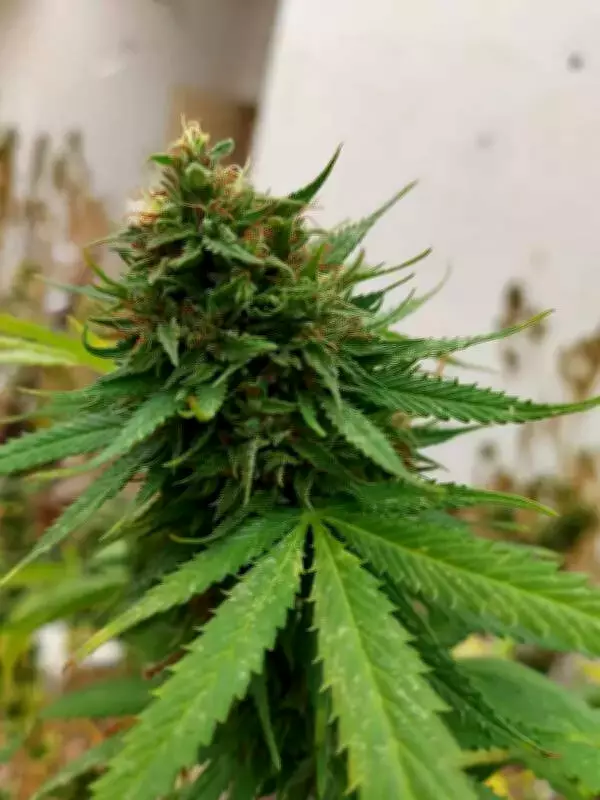
Hydroponic Ganja: The Lucrative New Frontier for Smugglers in Chennai
In a dramatic shift in illicit trade dynamics, hydroponic ganja has emerged as the new gold for smugglers, offering a cheaper yet highly addictive alternative that is reshaping criminal enterprises. Customs authorities at Chennai airport have sounded the alarm, citing dwindling profit margins and heightened risks in gold smuggling as key drivers behind this alarming trend.
From Gold to Ganja: A Calculated Shift in Smuggling Strategies
Over the past few months, vigilant customs sleuths have successfully thwarted 36 attempts to smuggle hydroponic ganja into the region. At least six of these cases have been linked to local gangs, marking a significant departure from traditional smuggling networks. A senior customs official explained the economic rationale behind this shift: "Smuggling gold is no longer profitable if even one out of ten attempts fails. In contrast, with hydroponic weed, a single successful operation can compensate for nine failed bids."
This risk-reward calculus has prompted small criminal groups, which previously pooled resources for gold smuggling, to pivot towards hydroponic ganja, primarily sourced from Thailand. The official added, "These gangs are adapting to market pressures, finding hydroponic weed a more viable and less hazardous venture."

Legal Loopholes and Low Investment Fuel the Trade
Compounding the issue is India's legal framework, which treats hydroponic ganja similarly to traditional cannabis. This classification means that smuggling up to 20 kilograms typically results in a maximum jail term of three years, a stark contrast to the up to 20-year sentences for smuggling even 20 grams of cocaine. This disparity in penalties makes hydroponic ganja an attractive low-risk option for cartels.
Customs officials highlight two primary reasons why criminal networks are recruiting unsuspecting youngsters for these operations. "Firstly, smuggling weed falls under the NDPS Act, whereas gold smuggling is treated as an economic offense under the Customs Act with minimal legal repercussions. Thus, cartels avoid involving their close associates," noted an official. "Secondly, weed requires far less capital investment than gold. Cartels can easily lure new recruits by funding entire trips, including accommodation and meals in countries like Thailand, to carry out smuggling missions."
Local Involvement and Expanding Markets
Recent incidents underscore the growing local footprint in this trade. Last week, a fisherman from Kasimedu was arrested upon arrival from Bangkok for possessing 3 kilograms of hydroponic ganja. Investigations revealed that a city-based cartel with a history in gold smuggling was behind this operation. While Kerala-based cartels have traditionally dominated the hydroponic weed market, catering primarily to Bengaluru and Mumbai, the involvement of Chennai gangs signals rising local demand.
Official sources confirm that both the Directorate of Revenue Intelligence (DRI) and customs are grappling with the emerging threat of hydroponic ganja, which is as addictive as cocaine or heroin. Although city police have not yet encountered this substance in their routine drug crackdowns, they have requested intelligence from customs regarding its movement. Customs sources warn that as local cartels deepen their involvement, hydroponic ganja is likely to become more widely available across Chennai.
A Call for Heightened Vigilance
The surge in hydroponic ganja smuggling represents a critical challenge for law enforcement agencies. With its high profitability, lower legal risks, and increasing accessibility, this narcotic is poised to become a major public health and security concern. Authorities emphasize the need for enhanced surveillance and inter-agency cooperation to curb this growing menace before it escalates further.