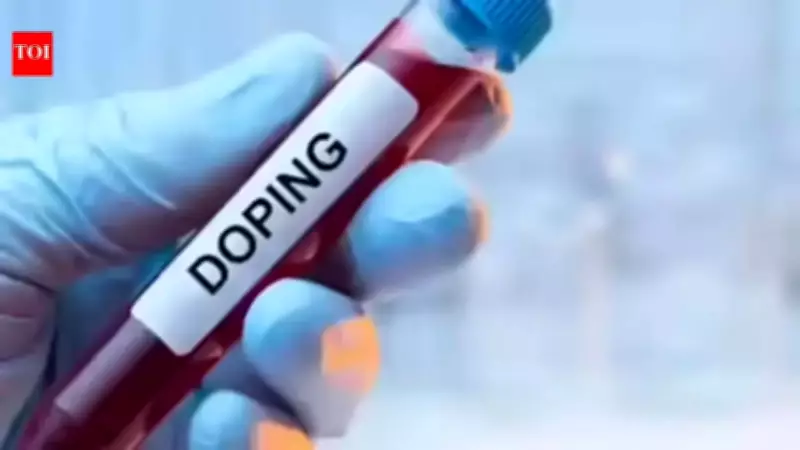
The Union government has unveiled fresh amendments to the National Anti-Doping Act, aiming to criminalize the trafficking and distribution of banned substances to athletes. Offenders, including medical practitioners who knowingly prescribe prohibited drugs, could face up to five years in prison and a fine of up to Rs 2 lakh.
Public Feedback Invited
The proposed amendments have been uploaded on the sports ministry's website for public feedback, with June 18 set as the deadline for suggestions. Sports minister Mansukh Mandaviya said the amended bill will be tabled during the upcoming monsoon session of Parliament after feedback is reviewed.
Key Provisions
The proposed amendment states: "Whoever administers or applies to an athlete, for the purpose of or in connection with doping in sport...shall be punishable with imprisonment for a term which may extend to (five) years, or with fine which may extend up to (two lakh) rupees, or both." The amendments seek stricter action against people involved in supplying banned substances to athletes. The ministry plans to introduce the amended bill in Parliament after examining public suggestions.

Expanded Powers
Under the current law, the National Anti-Doping Agency (NADA) can search premises and seize "equipment, device, substance, record, register, document or other material object" if there is suspicion of anti-doping violations. The proposed amendment expands these powers to include individuals as well. The amendment states: "The officer shall, if the individual so requires, take such individual within twenty four hours to the nearest Gazetted Officer, superior in rank to him, or a Magistrate. Provided that the officer shall not detain such individual for more than twenty four hours prior to taking him to such Gazetted Officer or Magistrate." It also clarifies that "public place" includes any public conveyance, hotel, shop, competition, event or other place intended for use by, or accessible to, the public.
Doctors and Coaches Could Face Jail
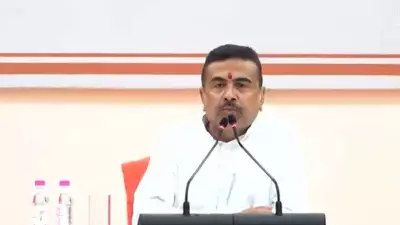
Mandaviya emphasized that doping has evolved into an organized ecosystem exploiting athletes. "We only punish those who are consuming but suppliers need to be targeted as well. So whether it is a coach, a manager, a fellow athlete or anyone who has direct access to an athlete, those found guilty of being part of the supply chain will be prosecuted if these amendments go through," he said.
Previous Attempts
A similar proposal was made in 2018, seeking a four-year jail term and a Rs 2 lakh fine for organized crime syndicates and suppliers. However, those provisions were removed before the law was passed in 2022 and amended last year, as the government preferred a "preventive legislation, rather than a criminal legislation." The new proposal also targets those who prescribe banned substances to athletes. The amendment states: "Whoever, for the purpose of or in connection with doping in sport, traffics in, sells, dispenses or otherwise places on the market without trafficking, or makes out a prescription for, any prohibited substance or prohibited method, shall be punishable with imprisonment for a term which may extend to [five] years, or with fine which may extend up to [two lakh] rupees, or both."
Exemptions
The amendments provide exemptions for athletes with Therapeutic Use Exemption (TUE) for certified medical conditions and for doctors handling emergency situations. The amendment states: "In situations referred to under this sub-section, it shall be the responsibility of the athlete to apply for a retroactive Therapeutic Use Exemption in accordance with the provisions of this Act and regulations thereunder." It adds: "There shall be no liability for the relevant medical practitioner, regardless of whether the Therapeutic Use Exemption is granted or declined."
No Change for Athletes
The ministry clarified that rules related to anti-doping violations by athletes will remain unchanged. "Anti-Doping Rule violations by athletes will continue to be dealt with under the existing anti-doping framework," the ministry stated. "The proposed amendments seek to ensure that clean athletes remain protected while enabling stronger action against criminal networks exploiting sport and athletes for commercial gain."