

Indian Medical Student Stranded in Iran Amid Israel Conflict Describes City Under Siege
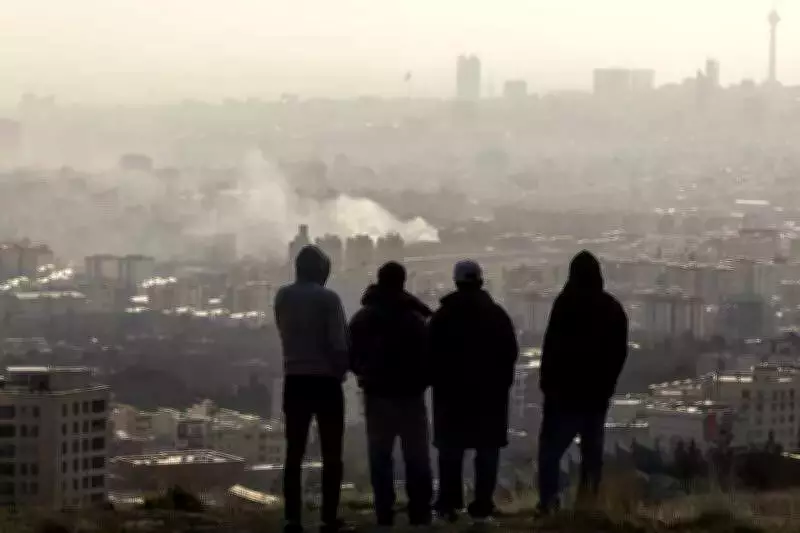
In the midst of escalating tensions between Israel and Iran, Asif Gulzar, a 22-year-old Indian medical student from Baramulla, Kashmir, finds himself trapped in Ahvaz, Iran. The city, located nearly 700 kilometers from Tehran, has become a focal point of fear and uncertainty as explosions rock the skies and communication lines falter.
Communication Breakdown and Evacuation Delays
Gulzar, a third-semester MBBS student at Ahvaz Jundishapur University of Medical Sciences, managed to send fragmented messages using a VPN connection and his Indian SIM card after a near-total internet and mobile shutdown in Iran. "We have been hardly able to sleep since the attacks began on Saturday," he wrote. "Almost every other minute, there are explosions happening in the city." His responses to queries were delayed by nearly a day due to the connectivity issues.
At his university, there were initially 12 Indian students enrolled, alongside peers from Iraq and Pakistan. Following an advisory from the Indian embassy on February 23 urging citizens to leave Iran, nine Indians departed. However, Gulzar and two other Kashmiri students stayed back to complete exams ending on February 25 and prepare for another scheduled on March 5. "We managed to contact the Indian embassy in Tehran for possible evacuation, but they said that there are no such plans as of now due to dramatic escalation in the tensions," Gulzar explained. "We have been advised to stay indoors to ensure safety. We are waiting."

Sky Lit by Missiles and Divided Streets
From the ninth floor of his hostel, Gulzar and his friends witness the surreal spectacle of the sky flaring with missile interceptions and explosions. "After news of the death of the country's supreme leader Ayatollah Ali Khamenei spread, we have been witnessing constant explosions and missile interceptions in the sky," he described. Voice calls were impossible, with only sporadic text messages getting through.
The atmosphere in Ahvaz is sharply divided. "Both pro-government and anti-regime groups are on the streets to protest and celebrate the killing, respectively," Gulzar noted. Despite the chaos, markets remain open with no ration shortages, creating a jarring contrast of routine beneath a war-torn sky. "The surreal co-existence of routine and rupture is what struck me most," he added.
Exodus of Fellow Students and Personal Resilience
Iraqi students left a few days ago, and Pakistani students decided on Monday morning to travel by road towards the Iran-Pakistan border in hopes of reaching home. Gulzar expressed uncertainty about their journey's success.
Amid the tension and sleeplessness, Gulzar and his friends continue to observe Ramadan fasts. His response was steadfast: "If you are true believers, you will not find excuses not to fast. Indeed, Allah is with those who are patient." This defiance highlights the personal resilience required to navigate such perilous circumstances.
The situation underscores the broader geopolitical tensions, with reports of Israel bombing Hezbollah targets in Beirut and Gulf nations vowing to defend themselves. As explosions are reported in Bahrain, Dubai, and Doha, the conflict's ripple effects spread across the region, leaving stranded students like Gulzar in a precarious limbo.






