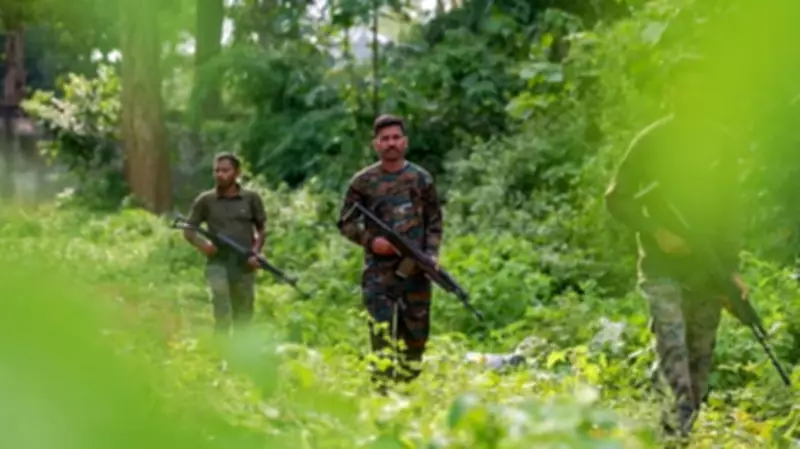
Naxal-Affected Districts in India Decline to Seven, Chhattisgarh Holds Three Hotspots
In a significant development for India's internal security landscape, the number of districts impacted by Naxal activities has been reduced to just seven across the country. This marks a notable improvement from previous years, reflecting ongoing counter-insurgency efforts and developmental initiatives in affected regions.
Chhattisgarh Remains a Critical Focus Area
Chhattisgarh continues to be the state with the highest concentration of Naxal-affected districts, accounting for three of the seven hotspots. The districts of Bijapur, Naraynapur, and Sukma in Chhattisgarh are identified as key areas where Naxal incidents persist, posing challenges to local governance and security operations.
Additionally, two other districts in Chhattisgarh, Kanker and Dantewada, are also among the seven impacted areas, highlighting the state's central role in the Naxal issue. This concentration underscores the need for targeted strategies to address the root causes of insurgency in these regions.
Other States with Naxal Presence
Beyond Chhattisgarh, the Naxal-affected districts include West Singhbhum in Jharkhand and Kandhamal in Odisha. These areas have seen sporadic incidents, but efforts are underway to mitigate the influence of Naxal groups through enhanced security measures and socio-economic programs.
The reduction in the number of affected districts is attributed to a combination of factors, including improved intelligence gathering, coordinated operations by security forces, and government schemes aimed at fostering development in tribal and remote areas. However, experts caution that sustained efforts are essential to prevent a resurgence of Naxal activities.
Implications for National Security
This decline in Naxal-affected districts is viewed as a positive step towards strengthening India's internal security framework. It allows for a more focused approach in the remaining hotspots, where resources can be allocated efficiently to combat insurgency and promote peace.
Authorities emphasize that while progress has been made, vigilance must be maintained to ensure long-term stability. Community engagement and development projects are seen as crucial components in winning the trust of local populations and eroding support for Naxal ideologies.
As of February 2026, the situation continues to evolve, with ongoing assessments to monitor and respond to emerging threats in these seven districts.