Inmate's Creative Initiative Transforms Waste Wood into National Pride
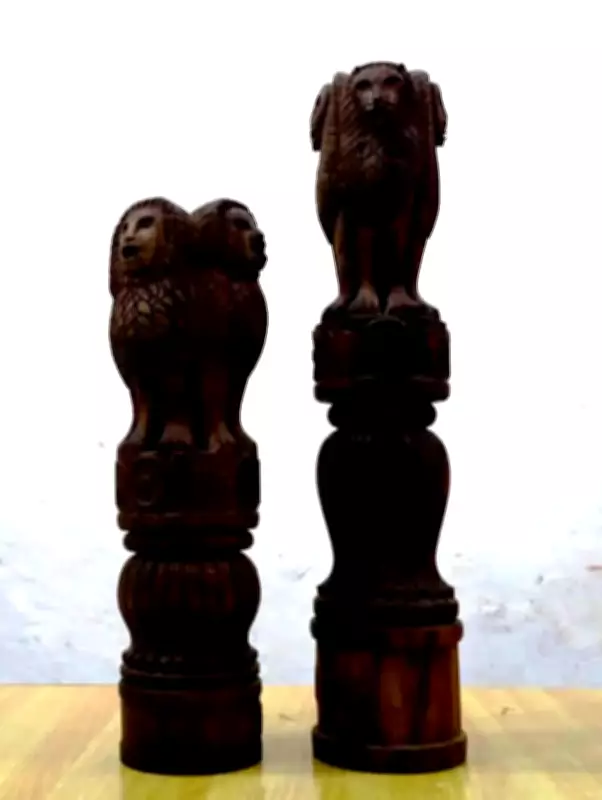
In a remarkable display of creativity and skill, a 42-year-old inmate at Kaushambi district jail in Prayagraj is crafting miniature replicas of the Ashoka Emblem using discarded wood found on the jail premises. Rahul Vishwakarma, one of approximately 800 inmates, has led the production of 12 wooden replicas over the past two months, with sizes ranging from six inches to two feet.
From Idea to Implementation: A Journey of Innovation
The initiative began about three months ago when Rahul approached jail superintendent Ajitesh Mishra after noticing the Ashoka Emblem in his office. Rahul expressed confidence in creating a similar replica from wood and took the first step by collecting usable parts from old, discarded machines to assemble a small moulding device. This ingenuity marked a shift from traditional hand-carving methods, where inmates previously made items like children's toys and prayer beads from Shyama Tulsi.
Skill Development and Teamwork Foster Growth
Impressed by the inmates' dedication, jail authorities procured a woodcraft machine from the Inmate Welfare Fund under the Skill Development Mission. This equipment sparked increased interest in woodcraft among other inmates. Initially, Rahul took eight to 10 days to chisel one miniature emblem, but he later trained seven other inmates, forming a team of eight who have now acquired artisan-level skills. This collaboration has enabled the group to produce replicas of various sizes more efficiently.

Rehabilitation and Patriotic Goals Drive the Project
The jail administration plans to present these wooden Ashoka Emblem replicas as ceremonial gifts for placement in offices of the judiciary and government departments. Officials emphasize that the initiative aims to instill a sense of patriotism and promote rehabilitation through skill development. The income generated from sales is used by inmates to support legal expenses and provide financial assistance to their families, fostering a sense of responsibility and self-reliance.
Economic Impact and Future Prospects
Stalls selling inmate-made products are regularly set up during Lok Adalats and other government events. After deducting operational costs, the remaining proceeds are credited directly to inmates, with individual earnings linked to the volume and nature of work. Notably, Rahul was the first inmate to manually craft tulsi malas by drying plant roots, stems, and twigs, a process now largely mechanized with jail-installed equipment, showcasing the evolution of skills within the facility.