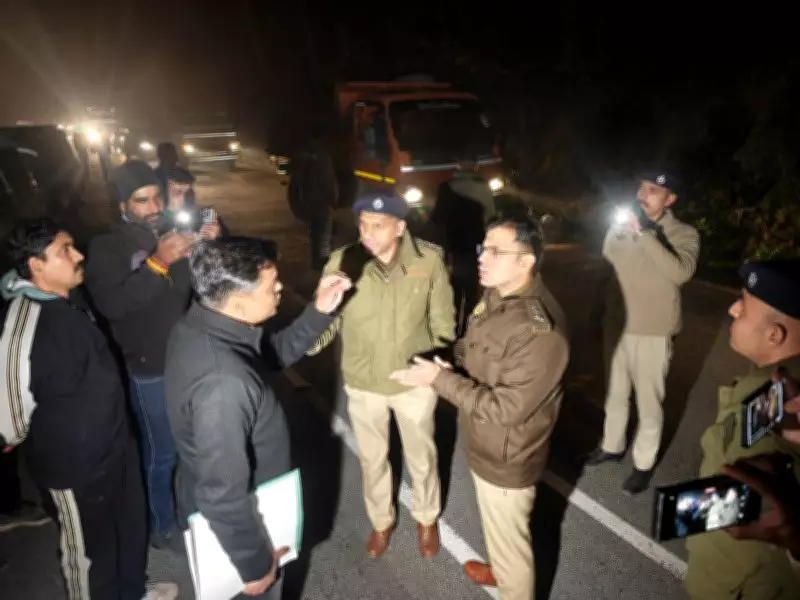
Arrest of IYC Activists Ignites Inter-State Turf War Between Himachal and Delhi Police
The recent arrest of Indian Youth Congress (IYC) activists in Himachal Pradesh has escalated into a full-blown inter-state turf war between the Himachal Pradesh Police and the Delhi Police. This incident has sparked intense debates over jurisdictional boundaries and legal authority, highlighting underlying political tensions.
Background of the Arrest
According to reports, the Himachal Pradesh Police detained several IYC activists in connection with alleged unlawful activities. The activists were taken into custody following a series of protests and demonstrations that authorities claim violated local laws. The arrest has drawn significant attention due to the political affiliations of those involved and the subsequent response from law enforcement agencies in Delhi.
Jurisdictional Dispute Emerges
Shortly after the arrest, the Delhi Police intervened, asserting that the case falls under their jurisdiction. Officials from Delhi argued that the activities linked to the IYC activists have connections to operations based in the national capital, thereby giving them legal grounds to take over the investigation. This move has been met with strong resistance from the Himachal Pradesh Police, who maintain that the arrest was made within their state boundaries and under their legal purview.
The dispute has led to a standoff between the two police forces, with both sides citing different sections of the law to justify their claims.Political Implications and Reactions
The arrest and the ensuing turf war have significant political ramifications. The IYC, as the youth wing of the Indian National Congress, is closely tied to national political dynamics. Critics suggest that the involvement of Delhi Police might be influenced by broader political strategies, while supporters of the Himachal Pradesh Police argue for respecting state autonomy in law enforcement matters.
Political analysts note that such inter-state conflicts often reflect deeper ideological divides and can impact public perception of governance and justice.Legal and Procedural Challenges
The situation raises important questions about inter-state cooperation and legal procedures in India. Key issues include:
- The interpretation of jurisdictional laws when activities span multiple states.
- The role of central agencies versus state police in handling politically sensitive cases.
- Potential delays in legal proceedings due to conflicting claims over authority.
Experts emphasize the need for clear guidelines to prevent similar disputes in the future, ensuring that law enforcement actions are efficient and unbiased.
Current Status and Future Outlook
As of now, the turf war remains unresolved, with both police forces holding their ground. The case has been referred to higher authorities for mediation, but no conclusive decision has been reached. The outcome could set a precedent for how inter-state jurisdictional conflicts are managed in India, particularly in cases involving political figures or groups.
Observers warn that prolonged disputes might undermine public trust in law enforcement and hinder effective crime prevention. Moving forward, stakeholders are calling for collaborative approaches and adherence to legal frameworks to resolve such issues amicably.