Jaipur ACB Busts Corruption Racket in Stray Dog Sterilization Program
The Anti-Corruption Bureau (ACB) has exposed a significant corruption scandal involving the sterilization and vaccination of stray dogs in Jaipur. On Monday, the bureau made a major breakthrough by arresting a contractual computer operator from the Jaipur Municipal Corporation (JMC) while he was allegedly accepting a bribe of Rs 4 lakh on behalf of two senior veterinary officers.
Red-Handed Arrest During ACB Trap Operation
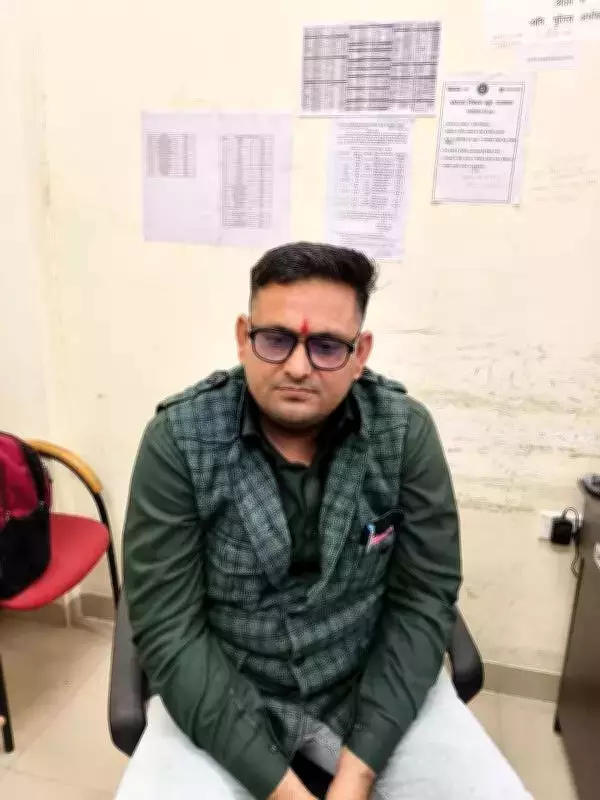
The ACB's Jaipur City-I unit conducted a meticulously planned trap operation that resulted in the arrest of Jitendra Singh, a computer operator working in JMC's Animal Management Branch. According to ACB officials, Singh was caught red-handed while receiving the bribe money. "He was allegedly receiving the bribe on behalf of Dr Yogesh Sharma, Veterinary Officer-II, and Dr Rakesh Kaloria, Veterinary Officer-I, both posted in Jaipur," confirmed an investigating officer.
Contractor's Complaint Triggers Investigation
The corruption racket came to light after a contractor, who had been awarded a tender for sterilizing and vaccinating stray dogs, filed a formal complaint with the ACB. DGP (ACB) Govind Gupta explained the sequence of events: "After completing the assigned work, the complainant submitted bills totaling Rs 70 lakh. However, as per tender conditions, verification of each stray dog was mandatory before forwarding the bills for payment."
The complaint detailed how the veterinary officers allegedly demanded substantial bribes to process these payments. According to the allegations, Dr Sharma demanded Rs 12 lakh to clear the pending bills, while Dr Kaloria sought Rs 2 lakh per month for November and December 2025 (totaling Rs 4 lakh), and Rs 3.5 lakh per month from January 2026 onward.
Systematic Extortion Scheme Uncovered
DIG (ACB) Anand Sharma revealed the shocking scale of the alleged extortion: "The total demand from both of them was Rs 15 lakh. After thorough verification of the complaint, we laid a trap and arrested Singh while he was accepting Rs 4 lakh as the first installment." The arrested computer operator was allegedly acting as an intermediary for the veterinary officers in this bribery scheme.
The Rs 4 lakh bribe was reportedly taken as the initial payment to verify the sterilization work needed for clearing the contractor's Rs 70 lakh bills. This verification process, which should have been routine administrative work, became the basis for systematic corruption demands.
Post-Arrest Investigations and Searches
Following the initial arrest, ACB teams conducted coordinated searches at the residences of both veterinary officers. These searches aimed to examine their movable and immovable assets as part of the ongoing corruption investigation. The bureau is working to determine the full extent of the corruption network and whether other officials might be involved.
Both veterinary officers have since been arrested under the Prevention of Corruption Act, joining the computer operator in custody. The ACB has emphasized that this case highlights how corruption can infiltrate even public welfare programs like animal sterilization initiatives.
Broader Implications for Municipal Governance
This scandal raises serious questions about oversight mechanisms within municipal corporations and their handling of public contracts. The stray dog sterilization and vaccination program, intended as a public health and animal welfare measure, became compromised by alleged corruption at multiple levels of administration.
ACB officials have stated that further investigation is actively underway to uncover any additional irregularities and ensure all responsible parties face appropriate legal consequences. The bureau has also urged other potential victims of similar corruption to come forward with information.