The Counter Intelligence Wing of Jammu and Kashmir has launched a significant operation against terror financing networks, conducting simultaneous raids at multiple locations across two northern districts of the union territory.
Multi-Location Raids Target Terror Funding Network
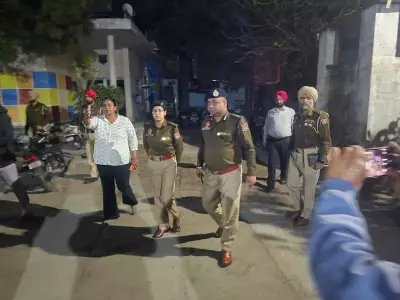
The intensive searches were carried out on Tuesday in the border districts of Baramulla and Kupwara, marking a crucial development in the ongoing investigation into terror funding activities. According to official sources, the operation specifically targeted premises linked to suspects allegedly involved in channeling illegal funds to support terrorist activities in the region.
Intelligence officials confirmed that the raids were conducted under the framework of a case registered by the Counter Intelligence Kashmir (CIK). The case focuses on unraveling the complex web of financial transactions that fuel militancy in the Kashmir Valley. The operation represents one of the most comprehensive actions against terror funding networks in recent months.
Key Locations and Suspects Identified
In Baramulla district, raids were conducted at three separate locations including the residence of a suspect identified as Mohammad Yousuf Mir in Watergam area. Simultaneously, another operation targeted the premises of Ghulam Mohammad Bhat in Singhpora Pattan. The third location in this district was the home of Abdul Ahad Bhat in Palhallan Pattan.
Kupwara district saw raids at two significant locations, with investigators searching the residence of Mohammad Shafi Mir in Trehgam area and another suspect's premises in Kralpora. All these individuals are under scrutiny for their alleged involvement in terror financing activities that have been threatening the security stability of the region.
Cross-LoC Trade Connections Under Scanner
What makes this investigation particularly significant is its connection to the previously operational cross-Line of Control (LoC) trade mechanism. Official sources indicate that the terror funding case specifically involves scrutiny of financial transactions that occurred during the active period of cross-LoC trade between Jammu and Kashmir and Pakistan-occupied Kashmir (PoK).
The cross-LoC trade, which was initially launched as a confidence-building measure in 2008, was completely suspended by India in April 2019 following reports that the trade routes were being misused for funneling illegal weapons, narcotics, and counterfeit currency. The current investigation appears to be uncovering the financial dimensions of this misuse that continued undetected for years.
Investigators are examining documents, electronic devices, and financial records seized during the raids to establish the complete chain of funding and identify all individuals involved in the network. The evidence collected is expected to provide crucial leads about how funds were being routed through various channels to support militant activities in the Kashmir Valley.
Broader Implications and Security Response
This operation comes as part of the security establishment's intensified efforts to dismantle the financial infrastructure supporting terrorism in Jammu and Kashmir. The Counter Intelligence Wing has been particularly active in recent months, focusing on cutting off the monetary lifelines that sustain militant groups operating in the region.
Security analysts note that such targeted operations against terror financing have become increasingly important in the overall strategy to combat militancy. By disrupting the financial networks, security forces aim to cripple the operational capabilities of terrorist organizations at their very foundation.
The successful execution of these coordinated raids across multiple locations demonstrates the improved intelligence gathering capabilities of security agencies in the region. It also reflects the continued vigilance of security forces even as the union territory has witnessed a significant improvement in the overall security situation in recent years.
As the investigation progresses, more details are expected to emerge about the modus operandi of these funding networks and their connections with handlers across the border. The findings could potentially lead to more arrests and help prevent future terror incidents by starving militant groups of essential financial resources.