Jammu & Kashmir Authorities to Mark Disaster-Prone Zones on Amarnath Yatra Routes
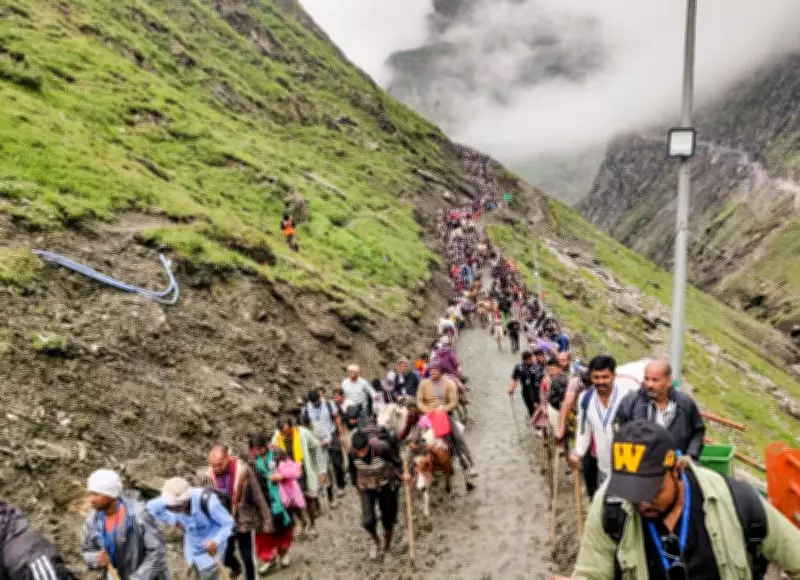
In a proactive move to ensure the safety of pilgrims, authorities in Jammu and Kashmir have initiated a comprehensive plan to identify and mark disaster-prone areas along the twin routes leading to the sacred Amarnath cave shrine. This initiative comes ahead of the annual Amarnath Yatra, a significant religious pilgrimage that attracts thousands of devotees from across India and beyond.
Mapping High-Risk Zones for Enhanced Pilgrim Security
The focus of this effort is on pinpointing locations susceptible to natural hazards such as landslides, flash floods, and avalanches, which are common in the rugged Himalayan terrain of the region. By clearly demarcating these high-risk zones, officials aim to implement targeted safety measures, including improved signage, emergency response protocols, and route diversions if necessary.
This strategic mapping is part of a broader disaster management framework designed to mitigate risks during the yatra, which typically spans several weeks in the summer months. The twin routes—one from Pahalgam and the other from Baltal—traverse challenging landscapes, making them vulnerable to sudden weather changes and geological instability.

Collaborative Efforts for a Safer Pilgrimage Experience
Local administration, along with disaster response teams and environmental experts, are collaborating to assess the terrain and gather data on past incidents. This data-driven approach will help in creating real-time alerts and contingency plans, ensuring that pilgrims are well-informed and protected throughout their journey.
The timing of this initiative is crucial, as it aligns with increased pilgrim footfall and the onset of the monsoon season, which often exacerbates natural hazards in the area. By prioritizing safety, Jammu and Kashmir authorities are not only safeguarding lives but also reinforcing the region's commitment to hosting a smooth and secure religious event.
Key aspects of the plan include:
- Detailed surveys of the routes to identify specific disaster-prone spots.
- Installation of warning signs and barriers in hazardous areas.
- Training for local guides and volunteers on emergency procedures.
- Coordination with meteorological departments for weather updates.
This initiative underscores the importance of preparedness in disaster management, particularly for large-scale events like the Amarnath Yatra, where crowd control and environmental factors pose significant challenges.