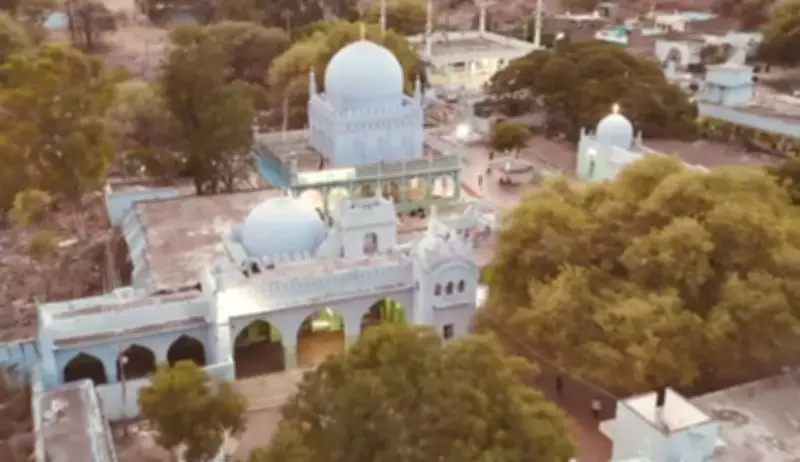
Karnataka High Court Grants Permission for Mahashivratri Puja at Kalaburagi Dargah Shivalinga
In a significant ruling aimed at fostering communal harmony, the Karnataka High Court has permitted the performance of Mahashivratri puja at the Shivalinga located within the premises of the Kalaburagi dargah. This decision comes after a protracted legal battle and public debate over the religious site, which has been a focal point of contention between Hindu and Muslim communities in the region.
Background of the Dispute
The dispute centers around a Shivalinga, a symbolic representation of Lord Shiva, situated inside the dargah—a Sufi shrine dedicated to a Muslim saint. For years, Hindu devotees have sought access to perform rituals, particularly during Mahashivratri, a major Hindu festival dedicated to Lord Shiva. However, this has been met with resistance from some Muslim groups and local authorities, citing concerns over religious sensitivities and potential conflicts.
The legal tussle escalated when Hindu organizations filed petitions demanding the right to worship at the site, arguing that the Shivalinga predates the dargah and holds historical significance for the Hindu community. On the other hand, Muslim representatives contended that the dargah is a sacred Islamic space, and allowing Hindu rituals could disrupt its sanctity and lead to communal tensions.

Court's Rationale and Key Points
The Karnataka High Court, in its detailed judgment, emphasized the principles of religious freedom and communal coexistence enshrined in the Indian Constitution. The bench highlighted that the Shivalinga's presence within the dargah complex does not inherently preclude Hindu worship, provided it is conducted peacefully and with respect for all faiths.
Key aspects of the court's decision include:- Permission for Mahashivratri puja at the Shivalinga, with specific timings and conditions to ensure minimal disruption to the dargah's regular activities.
- A directive for local authorities to facilitate the puja by providing necessary security and logistical support to prevent any untoward incidents.
- An appeal to both communities to uphold harmony and mutual respect, recognizing the site's shared heritage and cultural significance.
- Recognition of the historical evidence suggesting the Shivalinga's existence prior to the dargah's establishment, though the court avoided making definitive historical claims to avoid further controversy.
Public and Political Reactions
The court's verdict has elicited mixed reactions from various stakeholders. Hindu groups have welcomed the decision as a victory for religious rights and historical justice, expressing relief that devotees can now observe Mahashivratri without legal hindrances. Leaders from these organizations have praised the judiciary for upholding constitutional values and ensuring equitable treatment for all religions.
Conversely, some Muslim community leaders have expressed concerns about potential encroachment on their religious space and the risk of escalating tensions. They have called for strict adherence to the court's conditions and urged authorities to maintain vigilance to prevent any misuse of the permission. Political figures in Karnataka have largely refrained from making inflammatory statements, instead advocating for calm and adherence to the rule of law.
Implications and Future Outlook
This ruling sets a precedent for handling similar interfaith disputes across India, where historical sites often bear symbols of multiple religions. By balancing religious freedoms with communal harmony, the Karnataka High Court's decision could serve as a model for other courts and policymakers. It underscores the importance of legal mechanisms in resolving sensitive issues without resorting to violence or polarization.
Looking ahead, the successful implementation of this verdict will depend on cooperation between communities and effective enforcement by local authorities. If managed well, it could pave the way for greater interfaith dialogue and collaboration in Kalaburagi and beyond, turning a site of conflict into one of shared reverence and cultural exchange.