Karnataka High Court Disposes Traffic Congestion PIL, Defers to Executive Authorities
The Karnataka High Court has officially disposed of a public interest litigation (PIL) that sought judicial intervention to alleviate the severe traffic congestion plaguing Bengaluru. In its ruling, the court emphasized that resolving this critical urban issue falls squarely within the purview of the concerned executive authorities, not the judiciary.
Court's Stance on Traffic Woes
Delivering the judgment, the court explicitly stated, "The issue of traffic congestion is required to be addressed by concerned executive authorities." This declaration underscores the court's position that while the problem is acknowledged as significant, it is a matter for administrative and governmental bodies to tackle through policy, planning, and enforcement measures.
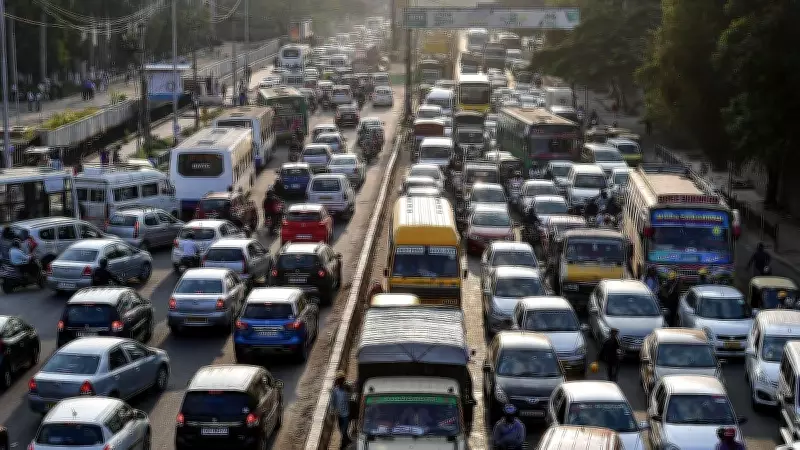
The PIL had highlighted the daily gridlock faced by millions of Bengaluru residents, citing inadequate infrastructure, poor traffic management, and rapid urbanization as key contributors. However, the court's disposal indicates a reluctance to overstep into executive domains, instead urging these authorities to take proactive steps.
Implications for Bengaluru's Urban Management
This decision places renewed pressure on Bengaluru's civic and state authorities, including the Bruhat Bengaluru Mahanagara Palike (BBMP), Bengaluru Traffic Police, and the Karnataka government. They are now expected to:
- Develop and implement comprehensive traffic decongestion strategies.
- Enhance public transportation systems to reduce private vehicle reliance.
- Improve road infrastructure and enforce traffic regulations more strictly.
- Address parking woes and last-mile connectivity issues.
Bengaluru, often dubbed India's Silicon Valley, has long struggled with traffic snarls that impact productivity, air quality, and quality of life. The court's move, while not providing immediate relief, signals a call for accountable governance in urban planning.
Broader Context and Public Reaction
Traffic congestion in Bengaluru is not a new challenge; it has been exacerbated by the city's exponential growth, with vehicle numbers far outpacing road capacity. Previous initiatives, such as the Bengaluru Metropolitan Land Transport Authority (BMLTA), have seen limited success, leading to public frustration.
Experts argue that a multi-pronged approach is essential, involving:
- Expanding metro and bus networks.
- Promoting non-motorized transport like cycling and walking.
- Implementing smart traffic management systems using technology.
- Encouraging flexible work hours to stagger peak traffic.
The PIL's disposal may disappoint activists and citizens hoping for judicial mandates, but it reinforces the principle of separation of powers. It also highlights the need for sustained public advocacy to hold authorities accountable for tangible improvements.
As Bengaluru continues to grow, the onus is now on executive bodies to translate this judicial nudge into actionable solutions, ensuring the city's traffic woes do not stifle its economic and social vitality.