

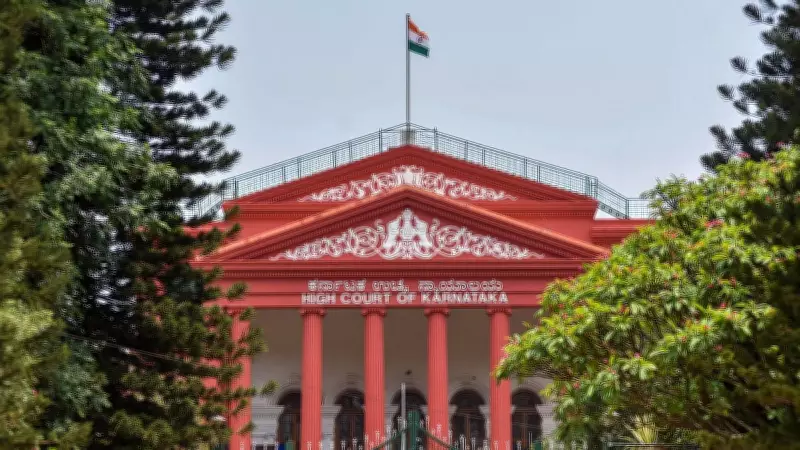
Karnataka High Court Delivers Key Ruling on Departmental Inquiry Procedures
The Karnataka High Court has issued a significant clarification regarding the initiation of departmental inquiries, stating that such proceedings only begin formally upon the issuance of a charge sheet. This ruling came as the court revoked the suspension of a Senior Assistant employed with the Karnataka Industrial Areas Development Board (KIADB), setting a precedent for administrative and employment law in the state.
Court's Decision in the KIADB Case
In a detailed judgment, the court emphasized that the suspension of the KIADB official was premature and unjustified because no charge sheet had been served prior to the disciplinary action. The bench highlighted that departmental inquiries are procedural mechanisms designed to ensure fairness, and they cannot be initiated arbitrarily without formal charges being framed and presented to the employee.
The court's stance reinforces the principle that due process must be followed in all administrative matters, particularly in cases involving government employees. This decision is expected to impact how various state departments and boards handle disciplinary actions, ensuring greater transparency and adherence to legal norms.

Implications for Employment and Administrative Law
This ruling has broader implications for employment practices across Karnataka and potentially other states. Key points include:
- Clarity on Inquiry Start: The court has made it clear that the clock on a departmental inquiry starts ticking only when a charge sheet is officially issued, not before.
- Protection for Employees: Employees are safeguarded against arbitrary suspensions or disciplinary actions without formal charges, promoting job security and fair treatment.
- Guidance for Departments: Government bodies like KIADB must now ensure strict compliance with procedural requirements before taking any disciplinary steps.
Legal experts suggest that this decision could lead to a reduction in frivolous or premature suspensions, as departments will be more cautious in following established protocols. It also underscores the judiciary's role in upholding the rights of employees within the public sector.
Background and Context
The case involved a Senior Assistant at KIADB who was suspended pending a departmental inquiry. The court found that the suspension was ordered without a charge sheet being issued, which violated procedural fairness. By revoking the suspension, the court not only provided relief to the employee but also sent a strong message about the importance of due process in administrative law.
This ruling aligns with previous judicial pronouncements that stress the need for formal charges in disciplinary proceedings. It serves as a reminder that while departments have the authority to conduct inquiries, they must do so within the framework of the law, ensuring that employees' rights are not compromised.
As this decision gains attention, it is likely to influence future cases and policies related to employment disputes in Karnataka and beyond, fostering a more equitable work environment in government institutions.






