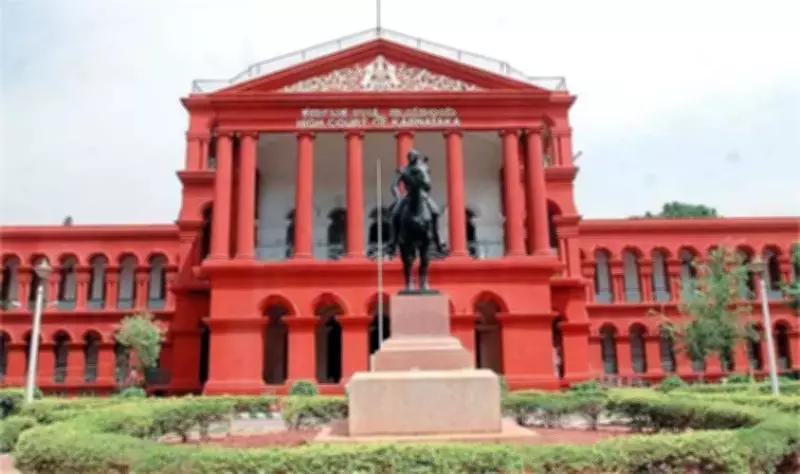
Karnataka High Court Affirms Right to Move No-Confidence Motion Even in Final Term Phase
The Karnataka High Court has delivered a significant ruling emphasizing that permitting a motion of no confidence towards the end of an elected term is crucial to prevent misuse of the remaining tenure by office-bearers. This observation was made by Justice Suraj Govindaraj while dismissing a petition filed by CN Srinivas, the president of the Chaldiganahalli gram panchayat in Kolar district's Srinivasapura taluk.
Petition Challenges No-Confidence Meeting Notice
The petitioner had contested a notice issued on December 20, 2025, by the assistant commissioner of the Kolar sub-division. This notice scheduled a meeting for January 7, 2026, to consider a requisition for a no-confidence motion against him. Srinivas argued that since the gram panchayat members were elected on December 30, 2020, there was minimal time left in their tenure, making the motion inappropriate.
He further contended that the motion was moved with mala fide intentions, alleging it stemmed from his refusal to comply with demands from certain members to release Rs 65 lakh available with the panchayat. This, he claimed, was an attempt to pressure him into improper actions.

Court Rejects Petitioner's Arguments
In response, additional advocate general Prathima Honnapura presented the state's position, noting that the first meeting of the gram panchayat was convened on February 12, 2021. Therefore, the term of the elected body would legally continue until February 11, 2026, providing a clear timeline for the motion's consideration.
Justice Govindaraj found the petitioner's arguments untenable, stating that elected members of a gram panchayat retain the right to move a no-confidence motion at any point during their term, subject only to statutory restrictions. The court highlighted that the only embargo under the relevant statute applies during the initial 15-month period from when members take their oath, with no such limitation prescribed for the latter part of the term.
Legislative Intent Focuses on Accountability
The judge elaborated on the legislative intent, explaining that while stability is ensured during the initial phase, elected representatives must remain accountable throughout their entire tenure. Permitting a motion of no confidence even towards the end of the term ensures that an elected office-bearer does not misuse the remaining tenure for any improper or extraneous purposes, Justice Govindaraj emphasized.
This ruling reinforces the principle that accountability mechanisms should remain active until the very end of a term, safeguarding against potential abuses of power. By dismissing the petition, the court upheld the democratic process and the rights of gram panchayat members to hold their leaders to account, regardless of how much time is left in the term.