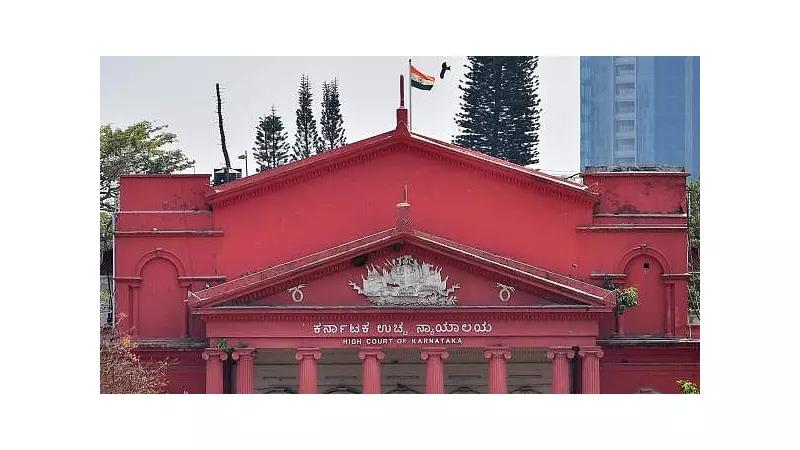
In a significant observation, the Karnataka High Court has underscored that public interest should drive politics, and not the other way around. The remark came during a hearing on Thursday, December 18, 2025, concerning the operation of AYUSH centres within government hospital premises in the state.
Court's Stance on Public Interest and Politics
The bench, while hearing petitions challenging the state government's order to relocate certain AYUSH Kendras from hospital campuses, made a pointed statement about the core principle of governance. The court emphasized that the political process must be inherently aligned with and subservient to the wider public good. This philosophical framing set the tone for the technical arguments that followed regarding the state's healthcare policy.
The Core of the Petitioners' Argument
The petitioners, who had approached the court, contested the government's directive to move the AYUSH facilities. They argued that the primary reason cited in the official order was that the presence of these centres within hospital premises was impeding the state's policy of supplying free medicine to patients. The counsel for the petitioners likely contended that the centres were complementary to allopathic treatment and their removal would disadvantage patients seeking integrated care.
Policy Conflict and the Way Forward
The case highlights a direct conflict between two public health initiatives: the promotion of traditional Indian medicine systems via AYUSH and the state's commitment to providing free allopathic drugs. The court's task is to adjudicate whether the removal of the Kendras genuinely serves a larger public interest or if it stems from other considerations. The hearing, reported by DHNS, has been adjourned for further proceedings, with the court's initial observation serving as a guiding principle for its eventual verdict. The outcome could have significant implications for how integrated healthcare policies are implemented on the ground in Karnataka.