Kashmir's Shia Community Stages Widespread Protests Over Islamabad Mosque Bombing
Hundreds of Shia Muslims across Kashmir organized spontaneous demonstrations on Saturday, vehemently condemning a devastating suicide bombing at the Khadija Tul Kubra Mosque in Islamabad, Pakistan. The tragic attack, which occurred during Friday prayers, resulted in the deaths of at least 31 individuals and left more than 169 others wounded, sparking a wave of outrage and grief within the region's Shia population.
Peaceful Demonstrations Erupt Across Multiple Districts
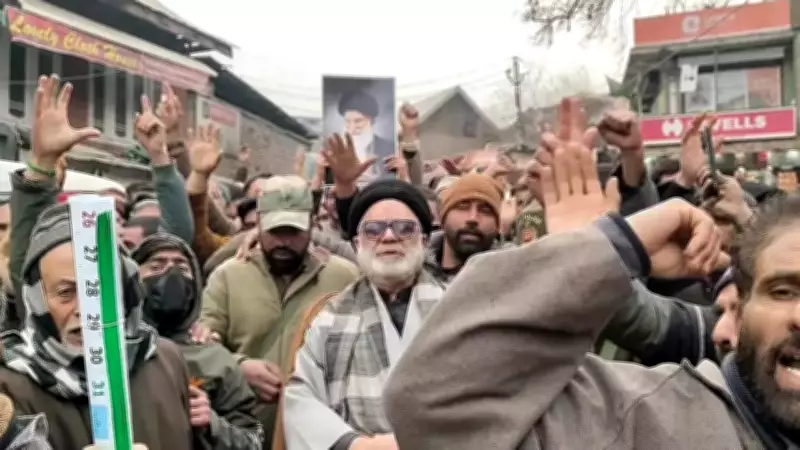
The assault on the Shia place of worship triggered immediate and strong reactions throughout Kashmir, with protests reported in key areas including Srinagar, Baramulla, and Bandipora over Friday and Saturday. In Magam town, located in central Kashmir, women protesters took to the streets, raising powerful slogans against the Pakistani government and denouncing the targeted violence against Shia Muslims. Some demonstrators also voiced support for Syed Hassan Nasrallah, Palestine, and Hezbollah, highlighting broader geopolitical sympathies.
Despite the emotional intensity, all protests remained entirely peaceful, with participants primarily focused on expressing solidarity with the victims in Pakistan. "We stand with the victims and we are against the Pakistani govt," one woman protester stated, adding, "We want to ask the Pakistan govt why we are being killed." This sentiment echoed widely among the demonstrators, reflecting deep-seated concerns over sectarian violence.

Organizational Condemnation and Pro-India Sentiments
The All J&K Shia Association Chinabal (Pattan) organized a significant demonstration on Friday evening, where members raised slogans against Pakistan and demanded immediate action against those responsible for the bombing. Notably, the association also voiced pro-India slogans, underscoring a complex political alignment within the community.
In the Sumbal area of Ganderbal district, protesters were seen carrying the Indian tricolor while chanting anti-Pakistan government slogans. "Our protest is against the Pakistani administration, which we believe is responsible for such killing," another protester explained. "Shia Muslims are targeted in Pakistan. It is painful to see Muslims being killed inside mosques during prayers. What kind of jihad is this?" This rhetorical question captured the anguish and frustration felt by many.
Symbolic Displays and Police Assurance
In Atoora, Baramulla, demonstrators carried posters featuring Iran's supreme leader, Ayatollah Ali Khamenei, alongside their anti-Pakistan slogans, indicating religious and ideological affiliations. Local police confirmed that all demonstrations passed off peacefully, with no incidents of violence or disruption reported. The coordinated yet decentralized nature of these protests highlights the spontaneous outpouring of emotion and the community's unified stance against sectarian attacks.
The protests in Kashmir serve as a poignant reminder of the transnational impact of sectarian violence, with local communities expressing solidarity across borders while critically examining the roles of governmental authorities. The peaceful conduct of these demonstrations underscores the community's commitment to non-violent expression amidst profound tragedy.