

Kaushambi Jail Inmates Turn Tulsi Cultivation into Thriving Mala Business
In a unique rehabilitation initiative, inmates at the Kaushambi district jail in Prayagraj have transformed the cultivation of Shyama tulsi into a flourishing enterprise, crafting traditional tulsi mala that are now in high demand across Uttar Pradesh's prominent temple towns. These sacred garlands, meticulously handmade by prisoners, have found buyers in spiritual hubs including Ayodhya, Varanasi, Mathura, and Prayagraj, marking a significant step toward inmate reform and self-sufficiency.
Surge in Demand Following Magh Mela Showcase
The project gained substantial momentum during the 2026 Magh Mela, where the tulsi mala displayed at jail stalls captured widespread attention, leading to a notable increase in orders. This positive response has prompted a dedicated group of 10 to 12 inmates to work overtime, utilizing newly acquired machinery to meet the growing requirements from various parts of the state. Jail superintendent Ajitesh Mishra highlighted that the initiative not only provides economic benefits but also fosters creativity and discipline among the participants.
From Cultivation to Craftsmanship: The Production Process
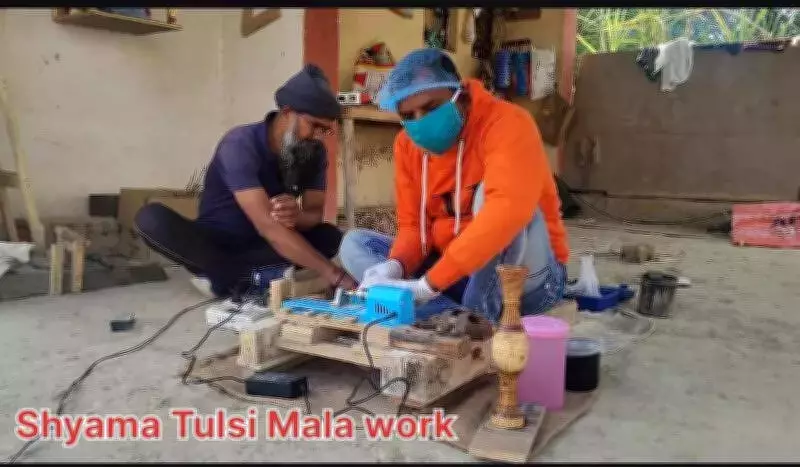
The entire process begins with the cultivation of Shyama tulsi on nearly three acres of jail land, ensuring a sustainable supply of raw materials. Inmates collect the plants, then cut them into uniform pieces before shaping them into beads. Initially, each bead was manually crafted after drying the roots, stems, and twigs, followed by drilling holes and threading. To enhance efficiency, the jail has introduced two machines that expedite production without compromising the traditional essence of the mala.

Mishra explained, "Shyama tulsi is cultivated extensively on our premises. Inmates are now producing various designs of mala, and with the new equipment, we can scale up output while maintaining quality." The jail authorities have established dedicated stalls for sales, enabling inmates to earn from their craftsmanship and gain valuable skills for post-release life.
Positive Impact on Inmate Rehabilitation and Behavior
Beyond economic gains, this initiative has brought about a profound transformation in the inmates' attitudes and conduct. A senior jail official noted a visible improvement in behavior, stating, "They should feel motivated and become better individuals after their release. Their personality and approach have changed drastically since they took up this work." Many inmates dedicate five to six hours daily to crafting the mala, finding purpose and a sense of achievement through their labor.
The project also includes a mentorship component, where experienced inmates train newcomers, ensuring the continuity of the craft and fostering a supportive community within the jail. This collaborative environment not only enhances skill development but also promotes positive social interactions among prisoners.
Scaling Up for Future Growth
Recognizing the potential of this venture, jail authorities have expanded production after observing inmates crafting mala in their barracks. With ample tulsi plants available, the initiative is poised for further growth, potentially extending its reach to more regions across Uttar Pradesh and beyond. The success of the tulsi mala enterprise underscores the importance of innovative rehabilitation programs that combine traditional crafts with modern entrepreneurial strategies, offering inmates a path to redemption and societal reintegration.






