Kim Jong Un Achieves Landslide Victory in North Korea's Parliamentary Elections
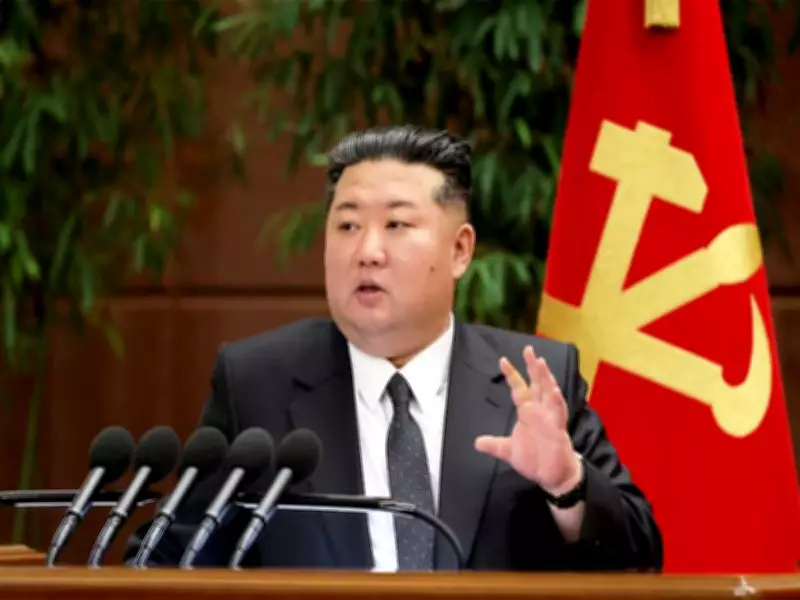
In a sweeping display of political dominance, North Korean leader Kim Jong Un has secured a resounding mandate in the country's 2026 parliamentary elections. According to reports from Yonhap News Agency, citing state media, the Workers' Party of Korea and its coalition partners captured a staggering 99.93 per cent of the ballot, winning every available seat in the Supreme People's Assembly.
Unprecedented Turnout and Election Details
The elections, held on March 15 to select deputies for the 15th Supreme People's Assembly, witnessed an extraordinary turnout of 99.99 per cent. This near-universal participation underscores the tightly controlled nature of North Korea's electoral process, which is widely regarded as a formality to legitimize the ruling regime's authority.
Following the announcement of the results, Pyongyang is scheduled to convene the inaugural session of the new assembly. This legislative gathering will focus on critical matters, including the election of state leadership and deliberations on a major revision to the Socialist Constitution. The session comes on the heels of the Ninth Congress of the Workers' Party of Korea, held last month, setting the stage for significant political developments.

Key Agenda Items and Constitutional Revisions
As reported by the Korean Central News Agency (KCNA), the assembly will formally address the election of the president of the State Affairs of the Democratic People's Republic of Korea. Observers are closely watching whether the session will codify North Korea's hostile stance toward South Korea, potentially defining the two Koreas as separate and antagonistic nations in the constitution. This move could have profound implications for inter-Korean relations and regional stability.
Additionally, experts anticipate that Kim Jong Un may unveil new policy directions regarding the nation's external relations during the session. The assembly is widely expected to re-elect Kim as the supreme leader, reaffirming his role as the head of the State Affairs Commission. While often characterized as a rubber-stamp parliament, the Supreme People's Assembly serves as the essential legal body for endorsing decisions made by the ruling party leadership.
Significant Power Reshuffle and Personnel Changes
The latest election results reveal a dramatic shift in North Korea's internal power structure. Yonhap News Agency notes that over 70 per cent of the deputies have been replaced since the previous term, indicating a far-reaching personnel reshuffle. This sweeping change is interpreted by analysts as a strategic effort to further consolidate Kim Jong Un's absolute authority and eliminate potential dissent within the political hierarchy.
Among the 687 newly confirmed deputies is Jo Yong-won, a prominent aide to Kim, who is tipped to become the chairman of the assembly's standing committee. In contrast, the former chairman, Choe Ryong-hae, was relieved of his post during the recent party congress and was notably absent from the new parliamentary list. Other high-profile figures elected include Kim's influential sister, Kim Yo-jong, and Foreign Minister Choe Son-hui, highlighting the continued prominence of the Kim family and loyalists in the regime.
Propaganda Tactics and Electoral Dynamics
State media has described the elected representatives as state political activists chosen from the ranks of workers, farmers, and officials to carry out the party's strategic mission. Interestingly, the KCNA reported that 0.07 per cent of the electorate voted against the candidates. This inclusion of opposing votes is seen as a propaganda tactic aimed at suggesting a semblance of democratic choice, despite the fact that North Korean elections are largely regarded as non-secret formalities with no genuine competition.
The outcome of these elections reinforces Kim Jong Un's unchallenged control over North Korea's political landscape. As the country prepares for the upcoming assembly session, the world watches to see how these developments will shape its domestic policies and international engagements in the coming years.