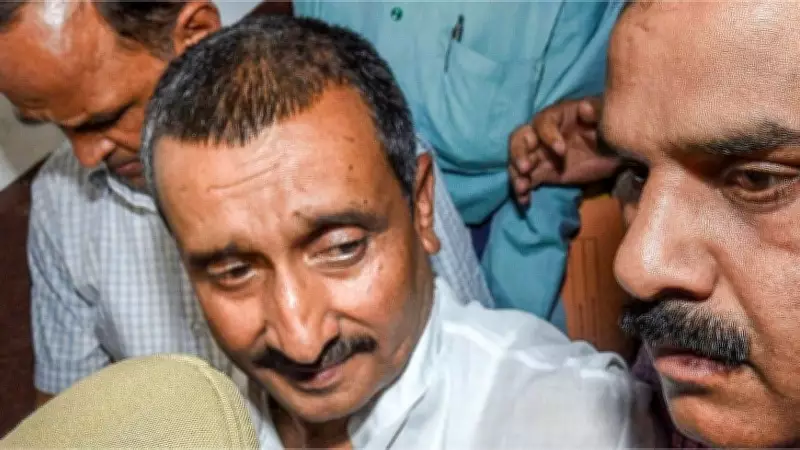
Former BJP MLA Kuldeep Sengar Moves Supreme Court for Bail in Unnao Father Death Case
In a significant legal development, former Bharatiya Janata Party (BJP) Member of Legislative Assembly Kuldeep Sengar has filed a petition with the Supreme Court of India, seeking bail in the high-profile case concerning the death of the father of the Unnao rape survivor. This case, which dates back to 2019, has been a focal point of national discourse on justice, political accountability, and the protection of victims in sensitive criminal matters.
Background of the Unnao Rape and Death Case
The Unnao rape case first came to light in 2017 when a minor girl accused Kuldeep Sengar, then a powerful BJP MLA from Uttar Pradesh, of sexual assault. The situation escalated tragically in 2019 when the survivor's father died under suspicious circumstances while in judicial custody. Authorities alleged that he was severely beaten, leading to his death, with investigations pointing to possible involvement linked to Sengar and his associates.
Following a massive public outcry and media scrutiny, the case was transferred to the Central Bureau of Investigation (CBI), which filed charges against Sengar and others for murder, conspiracy, and other offenses. Sengar was subsequently convicted in the rape case and sentenced to life imprisonment, but he remains embroiled in the separate proceedings related to the father's death.

Details of the Supreme Court Bail Petition
Kuldeep Sengar's recent move to the Supreme Court marks a critical juncture in this ongoing legal battle. His petition argues for bail on grounds that include prolonged incarceration, health concerns, and the need for a fair trial process. Legal experts note that such bail applications in high-stakes cases often hinge on factors like the severity of charges, evidence strength, and potential flight risk.
The Supreme Court is expected to review the petition thoroughly, considering precedents and the broader implications for justice in cases involving influential figures. This development comes amid continued public and judicial focus on ensuring that legal proceedings are not unduly delayed and that all parties receive equitable treatment under the law.
Implications for Justice and Political Accountability
The Unnao case has underscored deep-seated issues within India's criminal justice system, particularly regarding the handling of cases against politicians and the protection of vulnerable victims. Sengar's bail plea is likely to reignite debates on:
- Judicial Independence: How courts balance bail rights with the need to prevent witness intimidation or evidence tampering in sensitive cases.
- Political Influence: The role of political connections in legal outcomes, especially in states like Uttar Pradesh where such cases have sparked widespread protests.
- Victim Support: Measures to safeguard survivors and their families from retaliation during lengthy court processes.
As the Supreme Court deliberates, stakeholders from civil society, legal circles, and the media will be closely monitoring the proceedings. The outcome could set important precedents for similar cases across the country, reinforcing or challenging existing norms in criminal jurisprudence.
Current Status and Next Steps
Kuldeep Sengar is currently lodged in prison, serving his life sentence for the rape conviction while awaiting trial in the death case. The Supreme Court's decision on his bail application will be pivotal in determining the timeline and trajectory of the remaining legal proceedings. If bail is granted, it could lead to his temporary release, subject to strict conditions, pending the final verdict.
Conversely, if bail is denied, it would emphasize the judiciary's commitment to holding accused individuals accountable in grave matters, potentially delaying any resolution until the trial concludes. Either way, this case continues to highlight the intricate interplay between law, politics, and social justice in contemporary India.