Lucknow Chinese Manjha Death Triggers Police Crackdown and Statewide Action Order
A tragic incident in Lucknow involving a death attributed to Chinese manjha has ignited a swift and decisive response from authorities, leading to police raids and a statewide directive for strict action. The event has underscored the persistent dangers associated with banned kite strings, prompting renewed efforts to curb their use and distribution across the region.
Police Raids and Immediate Response in Lucknow
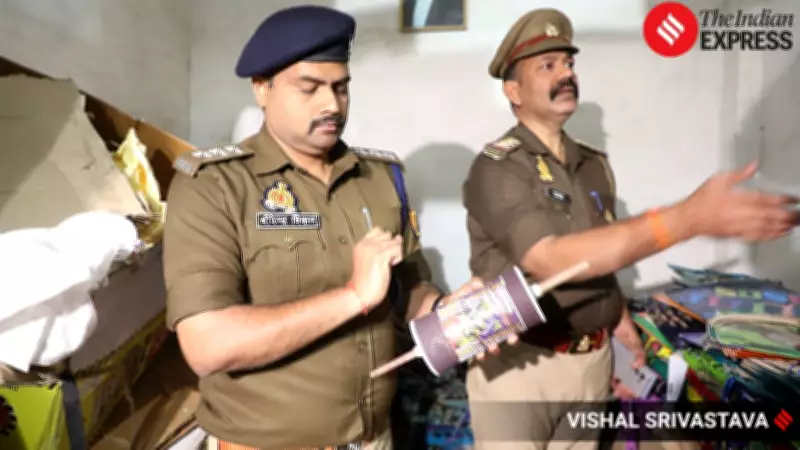
Following the reported death linked to Chinese manjha in Lucknow, local police have launched extensive raids targeting suppliers and sellers of the prohibited kite strings. These operations aim to dismantle networks that continue to flout regulations, seizing illegal stocks and apprehending individuals involved in the trade. The raids reflect a proactive approach to addressing public safety concerns, with law enforcement agencies mobilizing resources to prevent further incidents.
Eyewitness accounts and preliminary investigations suggest that the victim succumbed to injuries caused by the sharp, non-biodegradable strings, which are known for their hazardous properties. This has fueled public outrage and calls for stricter enforcement, highlighting the need for community awareness and compliance with existing bans.

Chief Minister's Directive for Statewide Action
In response to the Lucknow tragedy, the Chief Minister has issued a firm order for strict statewide action against Chinese manjha. The directive mandates enhanced surveillance, increased penalties for violators, and coordinated efforts between police and administrative bodies to eradicate the menace. Emphasizing zero tolerance, the Chief Minister stressed the importance of protecting citizens, particularly during festive seasons when kite-flying activities peak.
The statewide action plan includes public awareness campaigns to educate residents about the risks of Chinese manjha and encourage the use of safer alternatives. Authorities are also tasked with monitoring online platforms and physical markets to curb illegal sales, ensuring a comprehensive approach to enforcement.
Background on Chinese Manjha and Regulatory Measures
Chinese manjha, a type of kite string coated with glass or metal particles, has been banned in many parts of India due to its potential to cause severe injuries and fatalities. Despite regulations, its availability persists, often linked to unregulated imports and underground markets. Past incidents have involved harm to humans, animals, and birds, leading to environmental and safety concerns.
In Uttar Pradesh, previous crackdowns have yielded mixed results, with sporadic enforcement allowing the trade to continue. The current situation in Lucknow has reignited debates on the effectiveness of bans and the need for sustained vigilance. Experts argue that combining legal measures with community engagement is crucial for long-term success.
Implications and Future Steps
The death in Lucknow serves as a stark reminder of the ongoing challenges in regulating hazardous materials like Chinese manjha. As police raids intensify and the Chief Minister's orders take effect, stakeholders anticipate a reduction in related incidents. However, success will depend on consistent implementation, public cooperation, and addressing root causes such as demand and supply chains.
Moving forward, authorities plan to review and strengthen existing laws, potentially introducing harsher penalties for offenders. Collaborative efforts with neighboring states may also be explored to tackle cross-border smuggling, ensuring a holistic strategy to safeguard communities.
In summary, the Lucknow incident has catalyzed a robust response, with police raids and statewide action underscoring a commitment to public safety. While challenges remain, the concerted efforts aim to prevent future tragedies and promote responsible practices in kite-flying traditions.