Lutyens' Great-Grandson Voices Sadness Over Bust Removal from Rashtrapati Bhavan
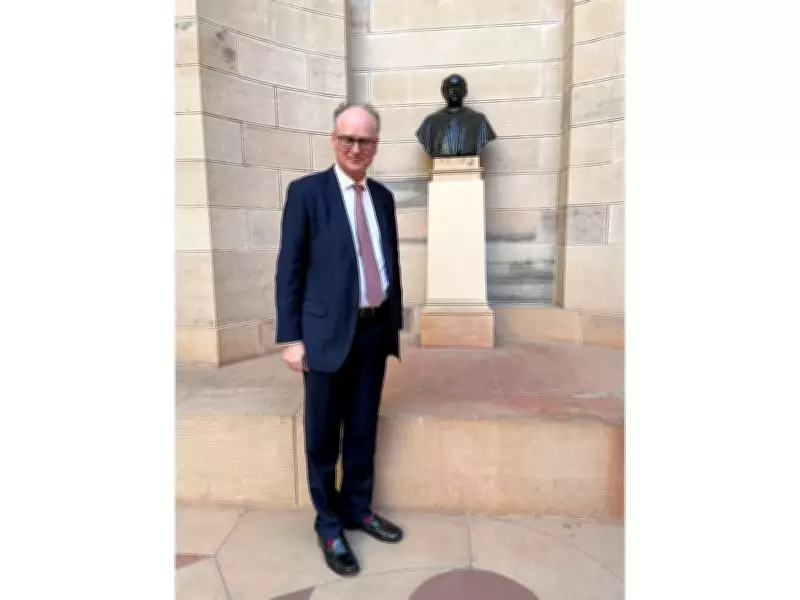
The great-grandson of Sir Edwin Lutyens, the renowned British architect who designed Rashtrapati Bhavan, has publicly expressed his sadness following the removal of a bust of his ancestor from the presidential estate in New Delhi. This action has ignited a broader conversation about the preservation of historical artifacts and the complex legacy of colonial-era figures in modern India.
Reaction from the Lutyens Family
In a heartfelt statement, the great-grandson described the removal as a "sad" event, emphasizing the personal and historical significance of the bust. He highlighted Sir Edwin Lutyens' monumental contribution to Indian architecture, noting that Rashtrapati Bhavan stands as a testament to his work and remains a key landmark in the nation's capital. The family's reaction underscores the emotional weight such symbols carry for descendants connected to India's architectural heritage.
Context of the Bust Removal
The bust of Sir Edwin Lutyens was reportedly removed from its location within Rashtrapati Bhavan as part of ongoing efforts to reevaluate colonial-era symbols. This move aligns with a national trend of reassessing historical monuments and artifacts linked to British rule, aiming to foster a more indigenous narrative. Authorities have not provided detailed reasons for the removal, but it is seen as a step toward decolonizing public spaces and promoting Indian cultural identity.
Broader Implications for Historical Preservation
This incident has sparked debate among historians, architects, and the public regarding how India should handle its colonial past. Proponents of removal argue that it is necessary to distance the nation from symbols of oppression, while critics, including some heritage conservationists, warn that erasing such artifacts could lead to a loss of historical context. The debate touches on balancing national pride with the preservation of architectural history, as Rashtrapati Bhavan itself is a blend of Indian and British design elements.
Public and Expert Responses
Reactions to the bust removal have been mixed. Some citizens support the decision, viewing it as a move toward reclaiming India's narrative, while others express concern over potential historical amnesia. Experts in architecture and history note that Sir Edwin Lutyens' work, despite its colonial origins, has become an integral part of India's urban landscape. They suggest that instead of removal, contextual plaques or educational programs could be used to explain the complex history behind such figures.
Looking Ahead
The removal of the Lutyens bust from Rashtrapati Bhavan highlights the ongoing challenges in managing historical legacies in a post-colonial era. As India continues to navigate its identity, decisions like these will likely prompt further discussions on how to honor the past while embracing a future rooted in indigenous values. The government's approach to similar artifacts in the future will be closely watched by both domestic and international observers.