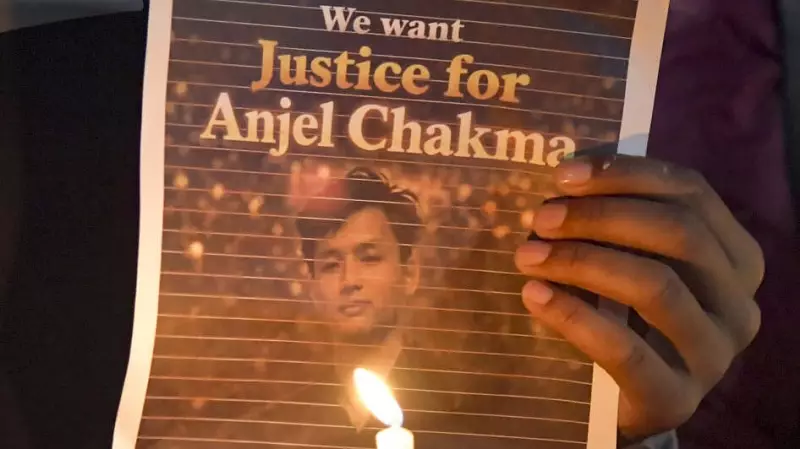
The recent brutal killings of two men in separate incidents in Kerala and Odisha have cast a stark and disturbing light on the rising tide of xenophobia and mob violence in parts of India. The victims were targeted and lynched by local mobs after being branded as 'Bangladeshis', underscoring a dangerous and growing intolerance towards individuals perceived as outsiders.
The Tragic Incidents: A Tale of Two States
In late December 2025, two Indian states witnessed horrific acts of vigilante violence. In Kerala, a man was brutally assaulted and killed by a group of locals who accused him of being an illegal immigrant from Bangladesh. In a tragically similar incident in Odisha, another man met the same fate under identical suspicions. The mobs, driven by suspicion and prejudice, took the law into their own hands, leading to the fatal lynching of both individuals.
These were not isolated acts of spontaneous anger but pointed expressions of deep-seated hostility. The common thread was the accusation of being a 'Bangladeshi'—a label used to mark someone as an alien, an infiltrator, and an unwelcome presence. This branding, based often on little more than dialect or physical appearance, has become a deadly trigger in an atmosphere charged with suspicion.

Fanning the Flames of 'Us vs. Them'
The lynchings represent a critical failure of local governance and social cohesion. They point to a society where differences in race, language, or appearance are increasingly met with fear and aggression rather than curiosity or acceptance. This intolerance of people who are different is a corrosive force that undermines the fundamental principles of a pluralistic democracy.
Analysts suggest that such mob actions are often fueled by a combination of economic anxieties, political rhetoric that demonizes certain groups, and the rapid spread of misinformation. The 'outsider' becomes a convenient scapegoat for complex local problems. When this narrative takes hold, it can quickly escalate into the kind of deadly violence witnessed in Kerala and Odisha.
A Call for Justice and Reflection
The immediate consequence of these acts is profound grief for the families of the victims and a climate of fear among vulnerable communities. However, the broader implications are even more severe. Each such incident normalizes extra-judicial violence and erodes public trust in the rule of law. It signals that vigilante justice, based on prejudice, can override legal processes.
Addressing this crisis requires a multi-pronged approach. Law enforcement must act swiftly and decisively to bring the perpetrators to justice, sending a clear message that mob rule will not be tolerated. Simultaneously, there is an urgent need for community-led initiatives and public discourse that emphasizes empathy, counters hate speech, and celebrates India's inherent diversity. The events of 29 December 2025 serve as a grim reminder that the fight to protect the dignity and safety of every individual, regardless of origin, is far from over.
Ultimately, the lynching of these two men is not just a law-and-order issue but a profound moral test for society. It challenges citizens and leaders alike to confront the prejudices that fuel such violence and to reaffirm a collective commitment to humanity and constitutional values.