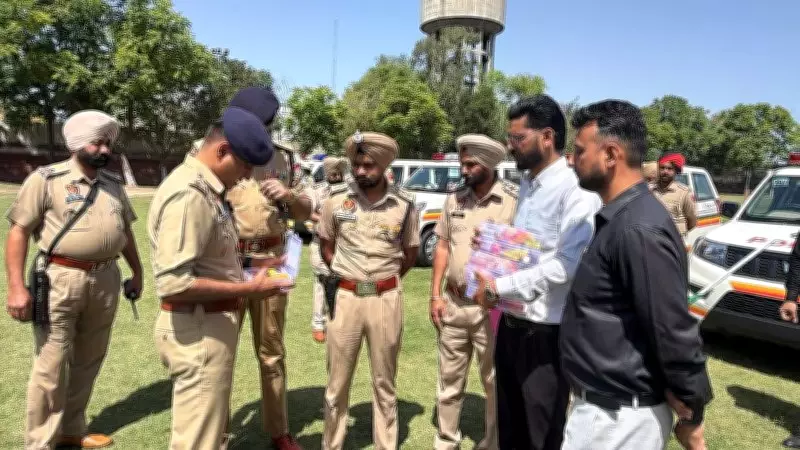
Malerkotla SSP Slams Delayed Emergency Response as Crime Abetment
In a stern statement, Malerkotla Senior Superintendent of Police (SSP) Harsh Bansal has criticized delays in emergency response, equating them to abetting crime. This declaration underscores growing concerns over public safety and the efficiency of law enforcement mechanisms in the region.
SSP's Strong Words on Response Delays
SSP Harsh Bansal emphasized that any delay in responding to emergencies is not merely an administrative failure but a form of complicity in criminal activities. He argued that timely intervention is crucial to prevent crimes and protect citizens, and lapses in this regard can embolden offenders and undermine community trust.
"When emergency calls go unanswered or responses are sluggish, it sends a message that law enforcement is not vigilant," Bansal stated. "This can lead to increased criminal incidents and a sense of insecurity among the public."

Implications for Public Safety
The SSP's remarks highlight a critical issue in policing and emergency management. Delays can result from various factors, such as resource constraints, procedural bottlenecks, or communication gaps. Bansal urged authorities to address these challenges promptly to enhance response times and ensure better protection for residents.
- Improved coordination between police stations and control rooms.
- Regular training for personnel on handling emergencies efficiently.
- Investment in technology to streamline response processes.
By framing delayed responses as akin to abetting crime, Bansal aims to spur action and accountability within the force, stressing that every second counts in emergency situations.
Community and Legal Perspectives
Local residents have echoed the SSP's concerns, reporting instances where delayed police responses exacerbated situations. Legal experts note that such delays could potentially lead to negligence claims and erode public confidence in law enforcement.
Bansal's statement serves as a call to action for policymakers and law enforcement agencies to prioritize emergency response systems. It aligns with broader efforts to reform policing practices and uphold the rule of law in Malerkotla and beyond.
In conclusion, the Malerkotla SSP's critique underscores the vital link between prompt emergency response and crime prevention, urging a renewed focus on efficiency and responsiveness to safeguard communities effectively.