Indian politics has long been a theater of remarkable transformations. Revolutionaries morph into administrators, agitators become constitutionalists, and occasionally, politicians rediscover forgotten professions at strategically dramatic moments. However, Mamata Banerjee's recent appearance before the Calcutta High Court, clad in full advocate attire, has ignited a constitutional debate far more intriguing than the courtroom appearance itself: Can one simply dust off a black gown after decades in politics and walk into court as though one merely returned from a slightly extended lunch break?
The Curious Case of the Black Robes
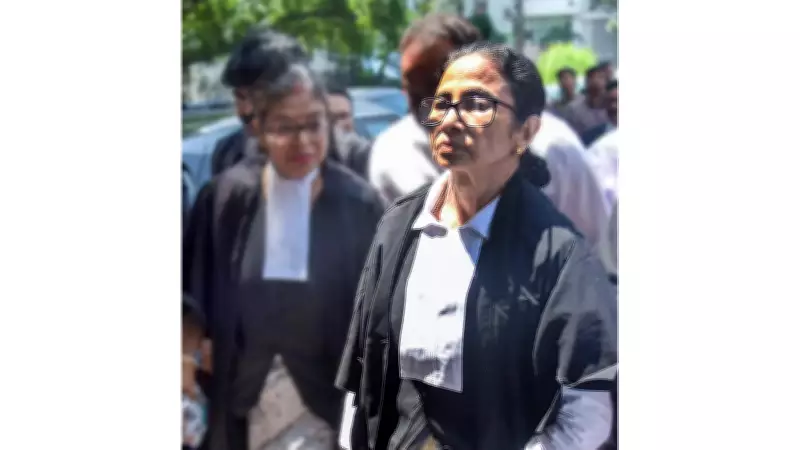
On a recent hearing, West Bengal Chief Minister Mamata Banerjee appeared in court wearing the traditional black coat and white bands of a lawyer. This was not a symbolic gesture but a deliberate assertion of her status as an advocate. Banerjee, who enrolled as an advocate in 1982, has rarely practiced law since entering full-time politics in the 1990s. Her appearance raises fundamental questions about the ethical and legal boundaries of resuming legal practice after a prolonged hiatus.
Legal Precedents and Gray Areas
The legal profession in India is governed by the Advocates Act, 1961, and the Bar Council of India rules. While advocates are entitled to practice throughout their enrollment, the rules require continuous practice and adherence to professional standards. A long absence from the bar, critics argue, could render one's skills and knowledge outdated. However, there is no explicit prohibition against returning to practice after a political career. The gray area lies in whether such a return is consistent with the dignity and integrity of the legal profession.

Political Implications
Banerjee's move is widely seen as a strategic one. By appearing in court personally, she not only challenges the legal proceedings against her but also sends a message to her political opponents. It underscores her refusal to be intimidated by the judiciary and reinforces her image as a grassroots leader who can fight her own battles. Yet, the optics of a sitting chief minister doubling as a lawyer in her own case have drawn criticism from legal experts who question the propriety of such dual roles.
Comparative Perspectives
Globally, the practice of politicians returning to law is rare but not unheard of. In the United States, many former presidents and lawmakers have returned to legal practice after leaving office. However, the Indian context is different due to the strict separation of powers and the ethical codes governing the bar. The Bar Council of India may need to clarify whether a long break in practice, especially while holding high public office, constitutes a valid ground for resumption without additional training or examination.
The Heart of the Matter
At its core, the debate is about consistency and accountability. If a politician can switch roles so fluidly, what does that say about the sanctity of each profession? The black robes symbolize not just legal expertise but also a commitment to justice and ethical conduct. Whether Mamata Banerjee's appearance is a legitimate exercise of her rights or a theatrical maneuver remains a question for the courts and the bar council to decide. Until then, the gray areas in India's legal-political landscape will continue to invite scrutiny and debate.