

Historic Azad Maidan Becomes Epicenter of Resistance Against Transgender Bill
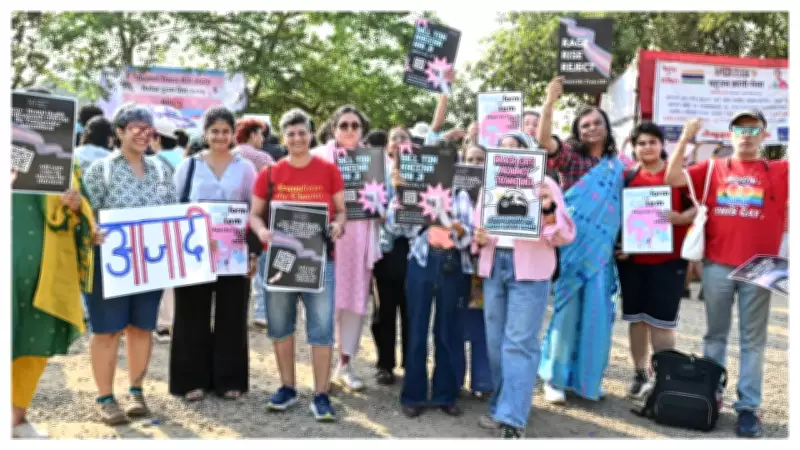
Under the intense afternoon sun, Mumbai's historic Azad Maidan transformed into a powerful tableau of resistance on Wednesday. Hundreds of protesters from the transgender, intersex, and LGBTQIA+ communities, along with their allies, created a sea of placards and raised voices in defiance against what they term a regressive legislative move.
Unified Opposition to "Control, Not Reform"
The protest, organized under the banner 'Chalo Mumbai Anyaay Ke Khilaf,' coincided with the Lok Sabha's passage of the transgender amendment bill on March 24 through a voice vote, which occurred amid an Opposition walkout. Despite the relentless heat, the gathering's spirit remained unbroken as participants voiced their unified demand: complete rejection of the bill they believe threatens to strip their community of fundamental rights and dignity.
Activists present argued that the amendment dangerously removes the crucial provision of self-perceived gender identity, significantly narrows the definition of who qualifies as transgender, and excludes several socio-cultural identities, including transmasculine individuals. This legislative action, they contend, represents a step backward rather than progress.

"Our Identity Is Non-Negotiable": The Heart of the Protest
If the speeches conveyed outrage, the posters carried the movement's soul. Powerful messages like "My Gender Is Not A Medical Test," "Our Identity Is Non-Negotiable," "Trans Rights Are Human Rights," and "This Bill Isn't Reform, It's Control" captured the gathering's urgency and anger. Bilingual placards reading "Gender Aamchya Hakkcha, Naahi Konacha Baapcha" (Gender is our right, not someone's paternal property) and "Kaheki Aatmanirbharta, When We Can't Have AatmPehchaan" (Why talk of self-reliance when we cannot have self-identity) highlighted the deeply personal nature of the struggle.
Between passionate chants, poetry readings, and intense discussions, the protest evolved into more than just a space of resistance—it became a powerful platform for visibility and solidarity, affirming community bonds in the face of legislative adversity.
Voices From the Ground: Anger, Resolve, and Personal Pain
Equal rights activist Harish Iyer delivered a poignant address, stating, "I wish every minister in that house is blessed with a trans child and the heart to truly understand them. Only then will they know the sheer, unimaginable courage it takes to exist when the state actively refuses to understand you." He further emphasized, "We know the grim political math, but we don't gather just to mourn legislative defeats. We gather to remind ourselves that our rage is justified and our resolve is unbreakable. They have declared a war on our very existence, but we will fight this together, and we will win."
Drag performer and activist Sushant Divgikar, known as Rani KoHeNoor, condemned the bill strongly, saying, "To strip an entire community of its dignity and integrity is deplorable and shameful to say the very least. I condemn very strongly the passing of such an archaic and draconian bill and I wish a speedy recovery to such ill minds that have decided to target one of the most marginalised communities in India."
For many parents present, the bill struck a deeply personal chord. Meghna Kulkarni, mother of a transgender child, expressed her anguish: "The Lok Sabha just told parents like me that protecting and affirming our transgender children makes us criminals. But you do not mess with a mother protecting her kids. We are standing our ground at Azad Maidan, and we will not let this government legislate our families out of existence."
Asserting Legitimacy Beyond State Certification
Renowned activist Laxmi Narayan Tripathi made a powerful declaration: "Our identity does not come from certification—it comes from existence." Trans man and fitness icon Aryan Pasha echoed this sentiment, stating, "The State does not grant us legitimacy. We have always been legitimate. As a trans man, I already fight to be recognised. This Bill makes even that conditional."

NALSA (National Legal Services Authority) petitioner Zainab Patel warned of broader implications: "We're not asking for permission to exist. Stop treating us like we need one. This Bill turns identity into paperwork, and dignity into an approval process. If identity needs verification, equality becomes conditional."
The protest at Azad Maidan stands as a significant moment in India's ongoing struggle for gender justice, highlighting the determination of marginalized communities to defend their rights against what they perceive as oppressive legislation. The gathering's energy and unity suggest this movement will continue to gain momentum as activists vow to fight for recognition, dignity, and unconditional equality.





