Meghalaya High Court Takes Action on Fatal Illegal Mine Blast
The Meghalaya High Court has issued summons to the Deputy Commissioner (DC) and Superintendent of Police (SP) of East Jaintia Hills district in response to a devastating illegal coal mine explosion that claimed the lives of 27 individuals. This judicial intervention underscores the severe lapses in safety protocols and regulatory enforcement in the region's mining sector.
Court Demands Accountability for Tragic Incident
In a stern move, the High Court has called upon the top administrative and police officials of East Jaintia Hills to appear before it and provide a detailed explanation regarding the circumstances leading to the fatal blast. The incident, which occurred in an unauthorized mining operation, has raised serious questions about the effectiveness of local authorities in curbing illegal activities and ensuring public safety.
The court's action follows reports that the illegal mine was operating without proper licenses or safety measures, leading to the catastrophic explosion. This tragedy has not only resulted in significant loss of life but has also highlighted the persistent issue of unregulated mining in Meghalaya, despite previous crackdowns and legal directives.

Background and Implications of the Mine Blast
The blast took place in a remote area of East Jaintia Hills, a district known for its coal reserves but also plagued by illegal mining operations. Initial investigations suggest that the explosion was caused by the accumulation of flammable gases, a common hazard in poorly maintained mines. The victims, mostly laborers from impoverished backgrounds, were trapped underground, with rescue operations hampered by the dangerous conditions and lack of emergency preparedness.
This incident has reignited concerns over:
- The enforcement of mining laws and regulations in Meghalaya.
- The safety and welfare of workers in illegal mining operations.
- The role of local authorities in preventing such tragedies.
Environmental activists and community leaders have long warned about the risks associated with illegal mining, including accidents, environmental degradation, and exploitation of workers. The High Court's summons is seen as a critical step towards holding officials accountable and prompting stricter oversight.
Legal and Administrative Responses
The Meghalaya High Court has been actively involved in addressing illegal mining issues in the state, with previous orders aimed at shutting down unauthorized operations. However, this latest incident indicates that challenges persist in implementation and monitoring. The summoned officials are expected to present:
- A report on the actions taken to prevent illegal mining in East Jaintia Hills.
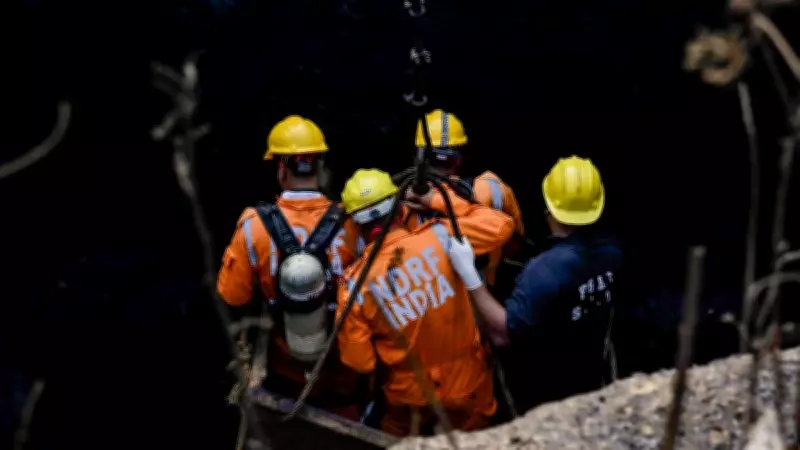
- Details of the rescue and relief efforts following the blast.
- Plans for future measures to enhance safety and compliance.
The court's intervention is likely to lead to increased scrutiny of mining activities across Meghalaya, potentially resulting in stricter penalties for violations and improved coordination between different government agencies. This case also highlights the broader issue of resource management and legal oversight in India's mining sector, where illegal operations often thrive due to corruption and inadequate enforcement.
As the hearing approaches, there is growing public demand for justice for the victims and their families, as well as for systemic reforms to prevent similar tragedies in the future. The outcome of this judicial process could set a precedent for how such incidents are handled in other mining-prone regions of the country.