Multiple Nations Issue Urgent Travel Warnings for Cuba Amid Deepening Crisis
In a significant development, several countries including Canada, the United Kingdom, and Australia have updated their official travel advisories, strongly urging their citizens to avoid all non-essential travel to Cuba. This coordinated action comes as the Caribbean nation grapples with a severe and worsening fuel shortage that is crippling essential services and infrastructure.
Critical Shortages Prompt Immediate Travel Restrictions
The Canadian government has taken a particularly firm stance, explicitly advising Canadians to avoid traveling to Cuba due to escalating shortages of fuel, electricity, and basic necessities such as food, water, and medicine. The advisory warns that these shortages are also affecting resort operations and that ground transportation has become highly unpredictable.
Canadian Foreign Minister Anita Anand issued a stark statement, emphasizing, "We are now advising Canadians to avoid all non-essential travel to Cuba. Canadians are urged to leave while commercial flights remain available." She confirmed that the government is actively collaborating with airlines to facilitate the return of Canadian citizens and that consular officials from Global Affairs Canada are prepared to provide necessary support.

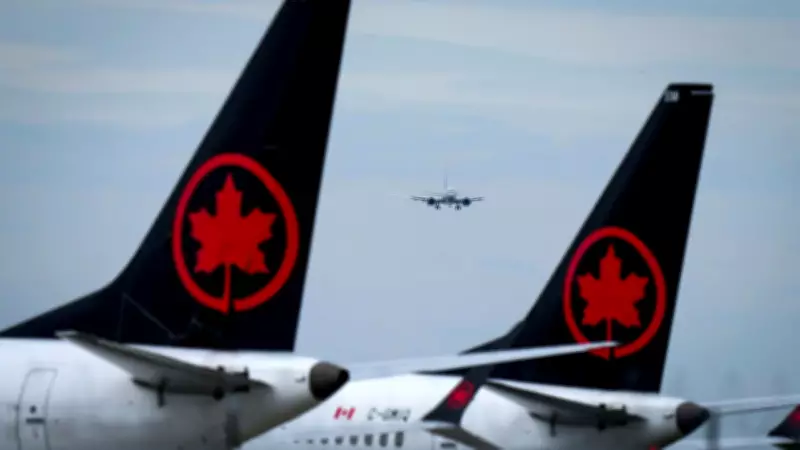
In response to the crisis, Canadian airlines have suspended regular service to Cuba and are now operating flights solely to repatriate individuals already on the island.
International Echoes of Concern and Precautions
The United Kingdom has similarly updated its travel guidance, advising against non-essential travel to Cuba. The UK advisory instructs current visitors to "carefully consider if your presence is essential" and to take proactive measures by conserving fuel, water, food, and mobile phone charge in anticipation of significant disruptions.
Australia has elevated its alert level for Cuba to Level 3, advising its citizens to "reconsider the need to travel." The Australian government highlighted the deteriorating fuel shortage and frequent power outages that are severely impacting transport and other critical services. The statement also noted reductions or cancellations of airline flights and widespread shortages of essential supplies including food, medicines, and drinking water.
Root Causes: Geopolitical Tensions and Fuel Embargo
The crisis stems from a critical aviation fuel shortage that has forced the Cuban government to announce that international flights will no longer be able to refuel on the island. This situation has been exacerbated by geopolitical pressures, particularly from the United States.
Former US President Donald Trump previously threatened to impose tariffs on any country selling oil to Cuba, a move that has intensified the island's isolation. In response, the Kremlin has dismissed Trump's tariff threats, with spokesperson Dmitry Peskov stating that Russia is actively discussing potential assistance for Cuba, despite limited current trade relations.
The United States has maintained pressure on Cuba since early January, following the capture of Nicolas Maduro from Venezuela, a key Cuban ally. While the US has not issued an official travel advisory, Republican Congresswoman Maria Elvira Salazar's social media post warning of a "regime in its final hours" has sparked speculation and heightened concerns about safety and unpredictability on the island.
As airlines continue to cancel or reduce services, the international community is closely monitoring the situation, with travel warnings likely to remain in place until stability is restored to Cuba's fuel and supply chains.