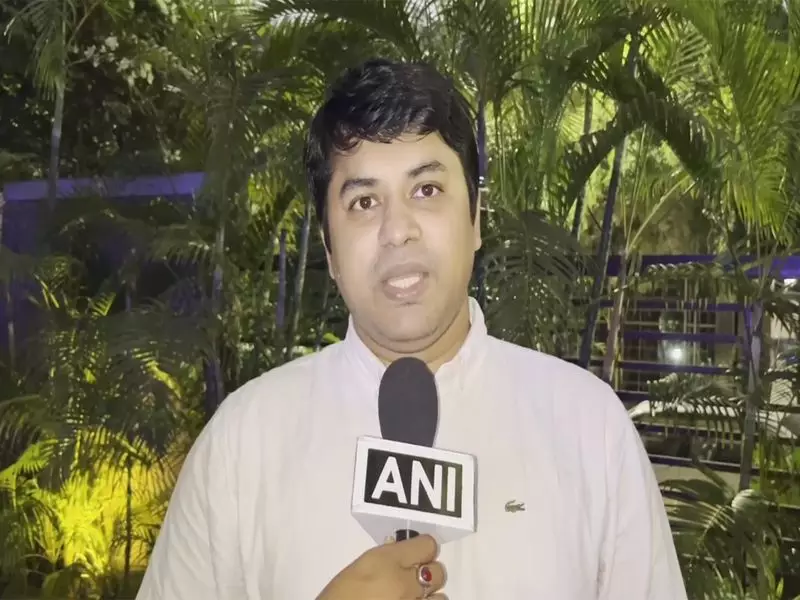
Senior Nationalist Congress Party leader Majid Memon has raised serious concerns about the deteriorating law and order situation in Bangladesh as the country approaches crucial parliamentary elections scheduled for January 7, 2024.
Growing Political Tensions and Security Concerns
In a significant development that has caught international attention, Memon highlighted the escalating political violence and security challenges facing Bangladesh. The prominent Indian politician expressed particular alarm about the safety of political opponents and the overall environment of intimidation that could potentially compromise the electoral process.
The situation has become increasingly volatile in recent weeks, with reports of opposition party members facing harassment and restrictions on their political activities. Memon's intervention comes at a critical juncture when Bangladesh stands at a political crossroads, with the upcoming elections seen as a crucial test for the country's democratic institutions.

International Community Called to Action
Memon has specifically urged the international community to take note of the unfolding situation and play a more proactive role in ensuring free and fair elections. He emphasized that democratic nations worldwide have a responsibility to monitor developments closely and support processes that uphold democratic values and principles.
The NCP leader's concerns reflect wider apprehensions among regional observers about the potential for electoral violence and the need for transparent electoral mechanisms. His statement underscores the importance of international election monitoring missions and their potential role in mitigating conflicts during this sensitive period.
Regional Implications and Bilateral Relations
The developments in Bangladesh carry significant implications for regional stability and India-Bangladesh relations. As neighboring countries with deep historical and cultural ties, the political situation in Bangladesh directly affects regional dynamics and bilateral cooperation on various fronts including security, trade, and connectivity.
Memon's statement represents an important voice from within India's political establishment calling attention to the situation. His concerns align with those expressed by various human rights organizations and democracy watchdogs that have been monitoring the pre-election environment in Bangladesh.
The coming weeks leading to the January 7 elections will be crucial in determining whether Bangladesh can conduct peaceful polls that reflect the will of its people. The international community continues to watch closely as the South Asian nation navigates this challenging political period.