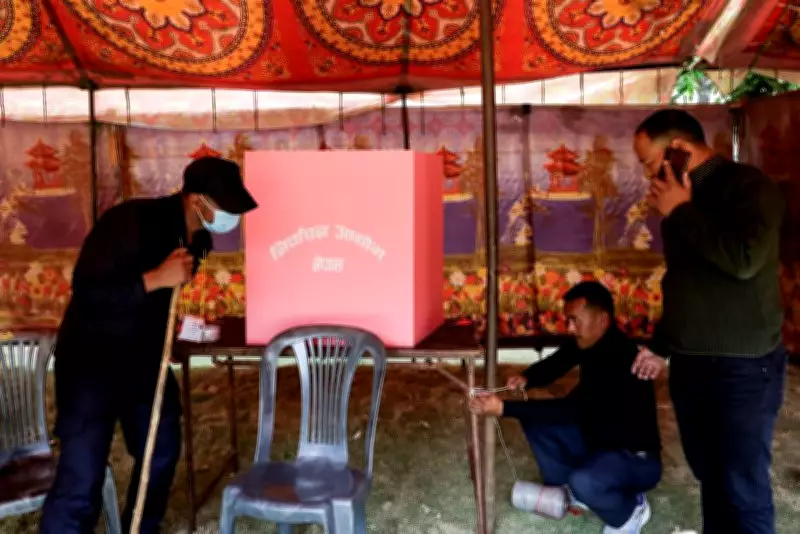
Nepal Conducts Landmark General Election Following Year of Political Turmoil
Nepal has embarked on a pivotal democratic exercise, holding its first general election since the dramatic political events of last year. This election comes in the wake of significant upheaval, including widespread Gen Z-led protests that culminated in the toppling of the government, setting the stage for a crucial test of the nation's political stability and youth engagement.
Background: A Year of Unrest and Change
The political landscape in Nepal has been reshaped by intense activism, primarily driven by the younger generation. Last year, Gen Z protesters took to the streets in large numbers, voicing discontent over governance issues, economic challenges, and social inequalities. Their persistent demonstrations gained momentum, eventually leading to the collapse of the ruling administration. This event marked a turning point, highlighting the growing influence of youth in Nepalese politics and underscoring deep-seated public frustration with the status quo.
Election Dynamics and Key Issues
As voters head to the polls, several critical issues dominate the electoral discourse. The aftermath of the government toppling has left a power vacuum, with various political factions vying for control in a highly competitive environment. Key topics include economic recovery, job creation, infrastructure development, and social welfare reforms. Additionally, the role of Gen Z voters is under scrutiny, as their activism has not only sparked change but also raised expectations for greater accountability and transparency from elected officials.
Political parties are navigating a complex scenario, with alliances shifting and new candidates emerging to address the demands of a more politically aware electorate. The election is seen as a referendum on how well the political establishment can respond to the calls for reform that echoed through last year's protests.
Implications for Nepal's Democratic Future
This general election holds profound implications for Nepal's democratic trajectory. It represents an opportunity to consolidate gains from the recent protests and to institutionalize changes that promote inclusive governance. Observers note that a peaceful and credible election could reinforce democratic norms, while any irregularities might fuel further unrest.
The international community is closely monitoring the process, given Nepal's strategic importance in South Asia and its ongoing efforts to balance political stability with progressive reforms. The outcome will likely influence regional dynamics and set a precedent for youth-led movements in other democracies.
Challenges and Opportunities Ahead
Despite the enthusiasm surrounding this electoral event, challenges persist. Logistical hurdles, such as ensuring voter access in remote areas, and security concerns amid potential tensions, require careful management. Moreover, the need to address the root causes of last year's protests—such as corruption and economic disparity—remains urgent for the incoming government.
On a positive note, this election offers a chance to harness the energy of Gen Z activists by integrating their perspectives into policy-making. It could pave the way for a more responsive and dynamic political system that better serves all segments of Nepalese society.
In summary, Nepal's first general election since the government toppling and Gen Z protests last year is a defining moment in its political history. It encapsulates the struggles and aspirations of a nation in transition, with the potential to shape its democratic future for years to come.